Moral Education: Teaching Values Through Family Rituals

Moral education begins with example every day.
In this guide, explore how daily family rituals, honest talks, and steady actions build children’s moral compass and ready them for a compassionate, thoughtful future navigating today’s social landscape and resilient outlook for lasting impact.
“Children don’t listen to us, they imitate us.”
— Robert Fulghum
Why Moral Education Matters for Society
Moral education shapes individuals who make conscious, ethical choices each day. Within the family, it appears through lessons on respect, honesty, solidarity, and responsibility. These ideas are not just theory; they are lived out in family rituals and everyday interactions. Children see that their actions affect others and recognize their role in keeping family and social harmony, as discussed in family’s role in modern society.
Passing Down Family Values: More Than Just Talk
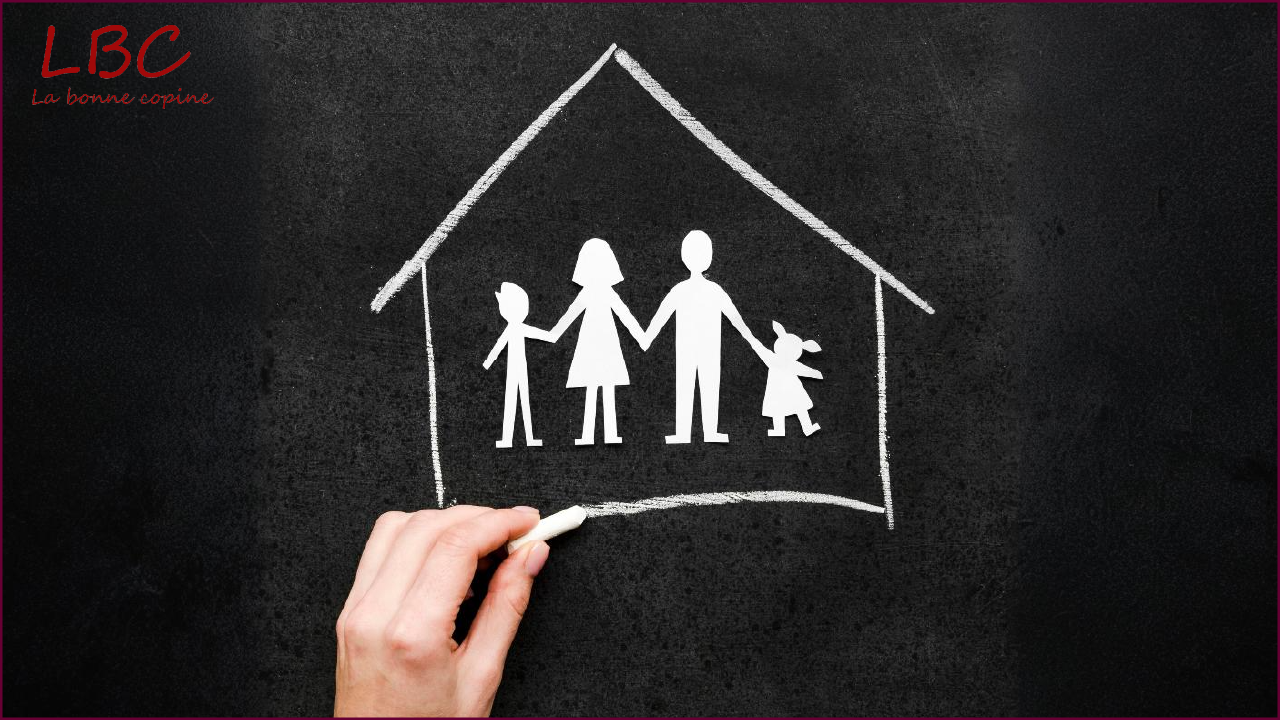
Family values are the principles that guide how members behave and decide. They can include honesty, compassion, loyalty, or solidarity. Every family may have its own set, yet all share the goal of raising children who contribute positively to society. Parents, as the first teachers, are the main carriers of this transmission. Through their actions, words, and decisions, they pass on family values that steer children throughout life.
It’s important to note that value transmission isn’t limited to lectures or direct teaching. Kids also learn by watching their parents and imitating them. For instance, if a parent prizes honesty, the child grasps it not only from direct lessons but also from the adult’s concrete example. This learning by example often outweighs any verbal explanation.
Family Rituals: The Everyday Classroom for Ethics
Family rituals play a crucial role in children’s moral education. These shared moments strengthen bonds and offer a stable setting where ethical principles can be taught. Rituals may include family meals, holiday traditions, moral discussions after significant events, or volunteer activities. Such moments allow parents to impart family values naturally, rooted in daily life.
Rituals also help children develop a sense of identity and belonging. They provide a space where youngsters can reflect on life’s moral questions. By integrating regular practices—like taking time to discuss the day’s choices—parents help their kids grasp the importance of moral reflection in everyday life.
Parents as Moral Guides: Leading by Example
Parents hold a decisive role in establishing effective moral education. They not only transmit family values and ethical principles, but they also guide children in applying those principles to real life. This covers decision‑making, respecting others, and managing emotions and conflicts, including learning how to assert your values with strength and delicacy.
For moral education to work, parents must be consistent in expectations and behavior. A mismatch between what parents say and what they do can confuse children and weaken the impact of moral teaching. For example, if a parent advocates honesty but often lies, the child may come to see honesty as a flexible rule rather than a firm principle.
Navigating Modern Challenges: Social Media and Moral Lessons
Moral education within the family can face challenges in today’s world. Current society, with its technology and social media, strongly influences young people’s behavior. Children are constantly exposed to varied, sometimes contradictory messages that may clash with the family values taught at home.
Parents therefore need to double their efforts to keep an open dialogue with their kids and help them build critical thinking about the information they encounter. This involves discussing moral issues raised by social media, answering children’s questions about observed behavior, and assisting them in making conscious choices aligned with family values. Parents can use tools like the ethical communication guide to foster critical thinking.
The Power of Parental Example in Shaping Society
Parents serve as role models for their children, and this goes beyond family rituals. They must embody the family values they wish to pass on. How a parent interacts with a spouse, friends, or even strangers influences how the child perceives those behaviors in their own relationships. A respectful, kind parent teaches the child to respect and treat others similarly.
Conclusion
Moral education within the family is a fundamental pillar of society. By conveying family values through family rituals and concrete examples, parents have the power to shape their children’s behavior and moral choices.
However, this role as a moral educator demands consistency between actions and words, plus the ability to guide children through modern challenges such as social media influence. Moral education is not a one‑off task; it is an ongoing process that spans a child’s entire life. By acting as ethical role models and embedding meaningful family rituals, parents raise individuals who recognize their responsibilities toward others and toward society. The family, as society’s basic unit, remains one of the most important settings for teaching moral and ethical principles.