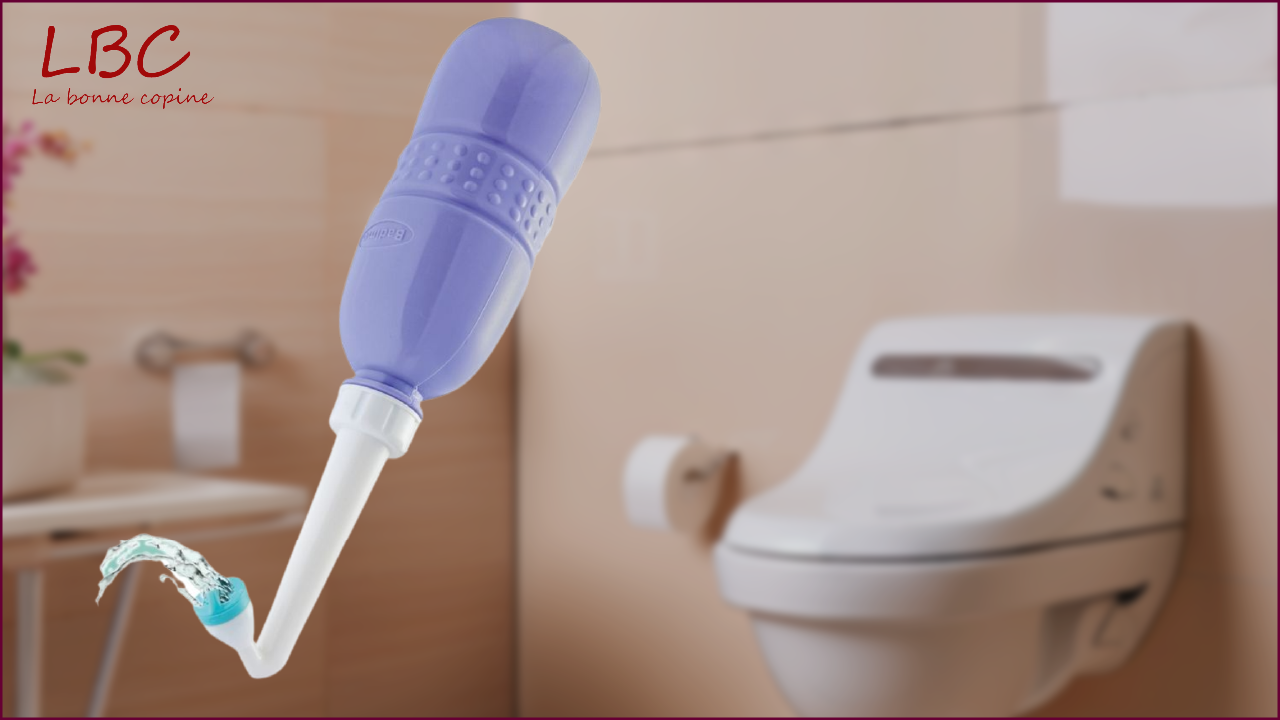
Portable Bidet: How to Use One Gently, at Home or Away

Ever hunted for a decent loo while travelling, or wondered how best to wash after giving birth or a sweaty workout? A portable bidet, a small squeezy bottle or a battery-powered sprayer that slips into a bag, offers a gentle water rinse when paper alone does not feel like enough. Here is how to use it properly, what it must never be used for, and how to keep it clean so it stays a helpful little companion and not a germ magnet.
The short version
- A portable bidet is for rinsing the outside only, never the inside of the vagina.
- Lukewarm water, a gentle jet and patting dry are the three habits that prevent irritation.
- After every use, rinse the nozzle and let the bidet dry before you pack it away.
- If you have pain, bleeding or a symptom that does not go away, speak to a healthcare professional.
What a portable bidet is actually for
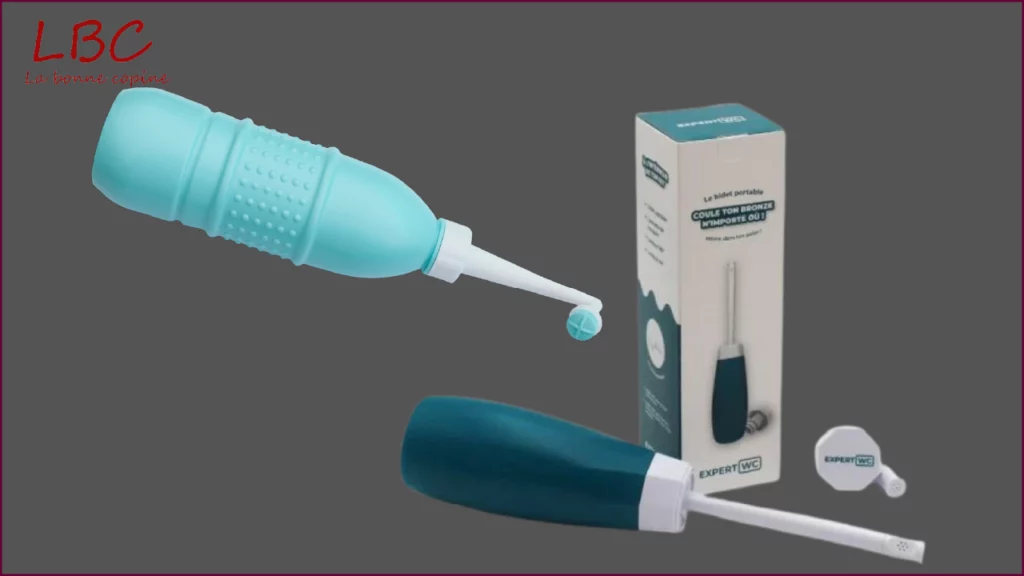
The idea is simple: a small reservoir, often a soft bottle or a small electric model, sends a thin stream of water to the area you want to clean. Water replaces some of the toilet paper, which can feel kinder when your skin is sensitive. It lives happily in a handbag, a desk drawer or a wash bag.
Let’s be honest, though: we did not find a reliable source showing that a portable bidet prevents infections. What we can say is that rinsing with water is a gentle way to clean up, and that it does not replace medical advice. The real benefits are comfort and convenience, not a health promise.
How to use your portable bidet, step by step
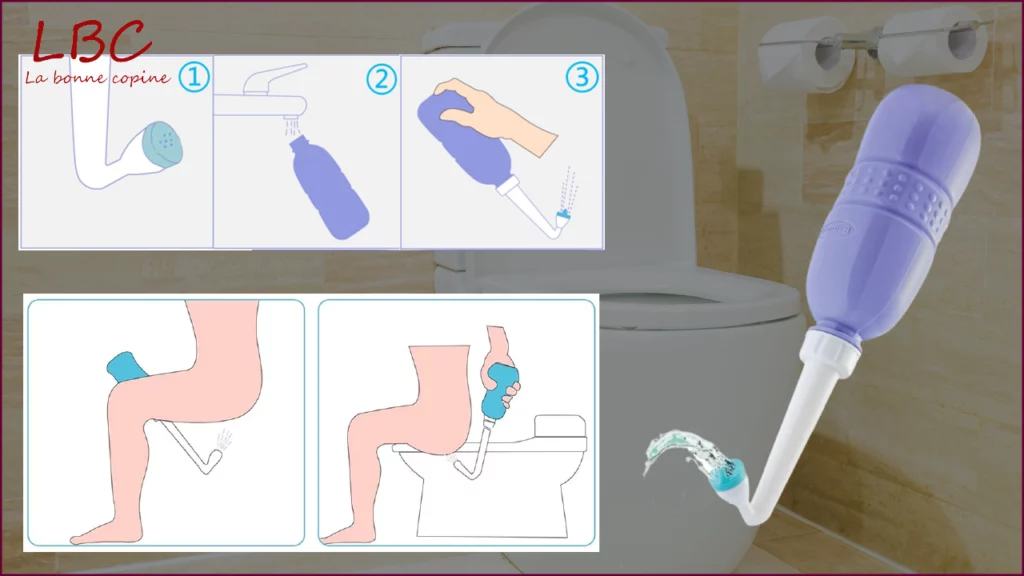
1. Get the water right
Fill the reservoir with clean water, lukewarm rather than hot. Water that is too hot can scald delicate skin, especially if it is already sore. When you are travelling, use water you would be happy to drink.
Mini-exercise: before your first real use, test it on your forearm. Squeeze the bottle and check that the stream is soft and the temperature pleasant. If it stings or surprises you, it is too strong for intimate skin.
2. Rinse gently
Sit as you normally would and aim the nozzle at the outside, front to back. A few seconds is plenty: the goal is to clean, not to scrub. With an electric model, start on the lowest pressure and only increase it if you need to.
3. Pat dry
Finish with a clean towel at home or a little tissue when you are out. Dab from front to back rather than rubbing. Damp, rubbed skin gets irritated more easily, so those extra ten seconds are worth it.
What not to do: aim inside
This is the most important point in the whole article. The vagina cleans itself through its natural secretions. The US government’s womenshealth.gov explains that douching, meaning rinsing the inside of the vagina, is advised against by most doctors because it can upset the natural balance of bacteria and acidity that helps protect against infection.
So your portable bidet is meant for the outside: the vulva and the anal area. For everyday washing, warm water is enough. A mild soap is fine for most women, but it can dry out or irritate sensitive skin, so avoid scented products, sprays and powders.
Wondering about other intimate routines, such as hair removal? Our article on shaving and waxing is a good place to start.
Looking after your portable bidet
Anything that holds water and gets zipped into a bag can quickly turn damp and a bit smelly. Make these four moves a habit:
- Empty the reservoir after each use.
- Rinse the nozzle under clean water.
- Wash the whole thing with water and a little mild soap from time to time, then rinse.
- Air dry it fully before it goes back in its pouch or waterproof bag.
Follow the manufacturer’s instructions too, especially for electric models (batteries, waterproofing, which cleaning products are allowed). Mini-exercise: pop a reminder in your wash bag, “empty, rinse, dry”, and next time you open it, check that nothing smells musty.
When it can help you out
A portable bidet is not just for holidays. Here are the situations where women tend to find it useful, and the precautions that go with them.
Day to day and on the move
At work, on a hike, camping, after the gym or in badly equipped toilets, it means you are not at the mercy of the paper supply. Keep a small waterproof pouch handy to carry it afterwards.
Mini-exercise: pack your travel kit before you leave. In one pouch, put the empty, dry bidet, a waterproof bag, a clean cloth or a few sheets of tissue for patting dry, and travel soap or hand gel so you can wash your hands. Do a trial run at home to learn how much water you need, and note it down so you know how much to carry.
Piles
The NHS in the UK advises keeping the area clean and dry and patting it dry rather than rubbing. A gentle water rinse fits with that, but it does not treat piles. If symptoms get worse, keep coming back or do not improve, see a doctor.
After birth or surgery
A patient leaflet from a UK university hospital says that frequent baths or bidets can soothe the perineum after a birth. It also recommends drying from front to back and avoiding perfumed soaps. Every situation is different (a tear, stitches, a caesarean), so check with your midwife or doctor before you use one. If you are expecting, our UK guide to a healthy pregnancy is a gentle place to start, and our article on caesarean births in Europe gives some wider context.
Reduced mobility
When movement is difficult, a stream of water can need less twisting than paper. Ask a healthcare professional or an occupational therapist to help you choose a suitable model.
After sex
An external rinse can feel refreshing. It is not contraception, it is not a substitute for a condom, and it does not protect against sexually transmitted infections.
What about the environment?
Using less toilet paper is a real argument, but it needs some nuance. A portable bidet uses a little water, it is often made of plastic, and you need to keep it for a long time for the balance to look good. We have no reliable figure to give you, so treat it as a small bonus rather than the main reason to buy one.
When to ask for help
Speak to a doctor, midwife or pharmacist if you have pain, burning, itching that will not go away, unusual discharge, unexplained bleeding or a wound that is not healing. After a birth, contact your midwife or doctor promptly if the area becomes hot, swollen, very painful or smelly, or if you have a fever. If a symptom comes on suddenly or worries you, call your local emergency services.
Conclusion
A portable bidet is a handy accessory, not a treatment. Used well, with lukewarm water, a gentle jet, an external rinse and a pat dry, it can make intimate hygiene more comfortable at home and on the move. So where would it help you most: on holiday, after exercise or in your everyday routine?
Sources consulted on 28/10/2026: womenshealth.gov, “Douching” (page updated 27/02/2025); NHS, “Piles (haemorrhoids) – treatment” (reviewed 01/04/2026); patient information leaflet from a UK NHS university hospital (uhs.nhs.uk), “How to care for your perineum after the birth of your baby”.