
When Our Moves Speak Louder Than Words: Mastering Non‑Verbal Communication

Ever notice how a simple gesture can change the whole vibe of a conversation? Dive into the world of how non‑verbal communication deepens connections and discover why what we do often matters more than what we say.
“A gesture is worth a thousand words.” This timeless saying reminds us that body language is a mighty tool. In this article we’ll explore the power of non‑verbal communication in personal and professional relationships, and give you practical tips to make your gestures work for you.
Why Non‑Verbal Communication Shapes Every Interaction
Non‑verbal communication—gestures, facial expressions, posture—accounts for a huge slice of our exchanges. Studies suggest that 55 % of our communication is non‑verbal, while only about 7 % comes from the words we choose. That means gestures often carry more weight than the spoken message.
They shape first impressions, boost credibility, and help you engage anyone across the room. A firm handshake, a genuine smile, or an open stance says more than any polished pitch.
Types of Gestures and What They Reveal
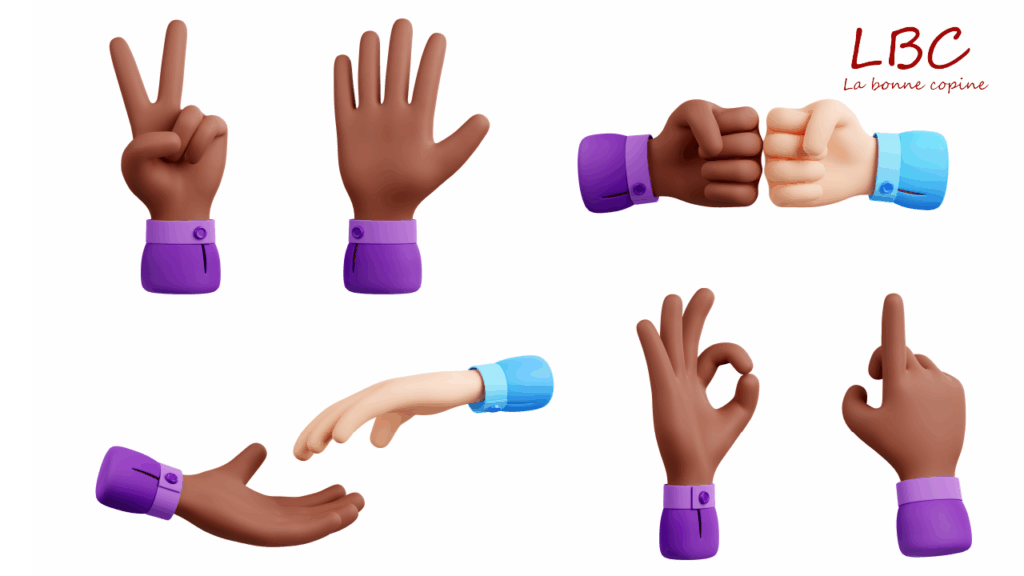
Gestures vary across cultures, but they generally fall into a few key categories:
- Open vs. closed gestures: Open gestures—arms slightly out, palms up—signal engagement and openness. Closed gestures—crossed arms, hunching—often indicate withdrawal or disinterest.
- Distracting (parasite) gestures: Touching the face, fiddling with a pen, or rocking from foot to foot usually betray nervousness or heightened emotion.
- Symbolic and illustrative gestures: Pointing, spreading arms to show size, or miming actions help clarify what you’re saying.
- Eyes and smile: A steady gaze and a sincere smile are among the most potent non‑verbal cues, instantly building trust and connection.
When Gestures Outperform Words
Sometimes a movement conveys emotion or intent far more powerfully than a sentence. Here are three classic scenarios:
- Handshake: A firm, confident grip signals reliability and commitment, while a limp shake can read as uncertainty.
- Forced vs. authentic smile: A fake grin feels like a mask; a true smile lights up the face and signals genuine openness.
- Mixed signals: Saying “I’m fine” while crossing arms and looking away creates a disconnect that erodes credibility.
The Power of Touch and Proximity
Touch is delicate territory, yet it remains one of the strongest non‑verbal tools. A hand on the shoulder or a brief hug can release oxytocin, lower blood pressure, and deepen emotional bonds—findings confirmed by Professor James Coan’s research.
Remember, cultural norms differ. What feels affectionate in one country may feel intrusive in another, so always gauge the context.
Non‑Verbal Communication in the Workplace and Social Settings

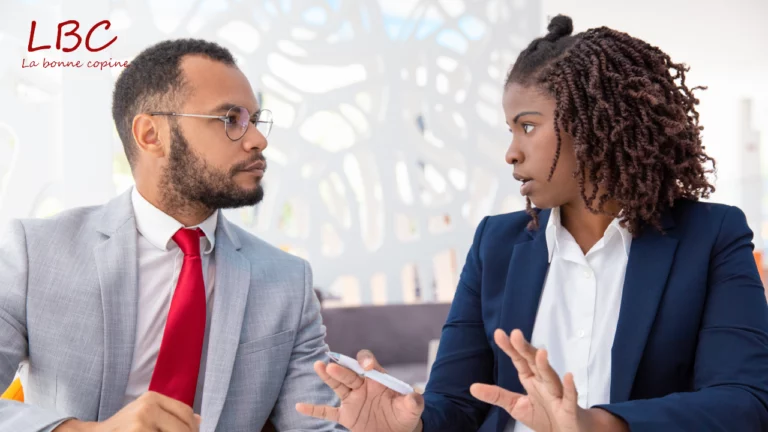
In interviews, presentations, or boardrooms, body language can make or break your impact. Research by Joep Cornelissen (Erasmus University) shows that investors react more strongly to an entrepreneur’s gestures than to the specific words used.
Practical tips to boost your non‑verbal communication:
- Use open, natural gestures that match your message.
- Adapt your body language to the audience and cultural setting.
- Minimize distracting habits—avoid hair twirling or crossed arms.
Conclusion
Gestures are a universal language that often outshine spoken words. Mastering non‑verbal communication lets you reinforce your ideas, reveal hidden emotions, and forge authentic connections.
By becoming more aware of your own body language and learning to read others’, you’ll boost confidence, authenticity, and engagement in every social and professional setting. Let your gestures do the talking, and watch your relationships flourish. For a deeper look at how listening complements body language, explore the impact of active listening in relationships.