
How Non‑Verbal Communication Can Deepen Your Connections

We spend countless hours talking, texting, and emailing, yet the most powerful part of our conversations happens without a single word. Your gestures, facial cues, and posture are tiny super‑powers that create authentic bonds and spark genuine empathy. the power of truth in relationships.
This guide shows you which non‑verbal communication habits build intimacy and which ones can silently sabotage your relationships.
Why Body Language Matters More Than You Think
Non‑verbal communication encompasses everything that isn’t spoken: gestures, facial expressions, posture, eye contact, voice tone, and subtle body movements. Although many of these signals happen automatically, they are the secret sauce for transmitting emotions and intentions.
Research tells us that over 90 % of human interaction is non‑verbal. A warm smile can melt barriers, while a fleeting glance can plant doubt—even if the words are kind.
Gestures That Strengthen Your Connection
Eyes: The Soul’s Mirror
Eye contact is a cornerstone of non‑verbal communication. A steady, caring gaze tells the other person, “I’m fully present.” It builds instant emotional rapport and paves the way for honest dialogue.
A shared, conspiratorial look can deepen bonds without a single word.
Facial Expressions: Honest Emotion Signals
A genuine smile radiates friendliness; a furrowed brow hints at worry or disagreement. These involuntary cues let you read the room and keep conversations authentic.
Active‑listening gestures—like nodding—signal respect and invite trust.
Posture: Let Your Body Speak
An open stance—uncrossed arms, upright shoulders, relaxed back—broadcasts receptivity and confidence. Leaning slightly forward signals sincere interest, while crossed arms or a turned‑away body can scream disengagement.
Touch: A Physical Thread of Affection
When appropriate, touch amplifies emotional connection. A firm handshake, a friendly shoulder tap, or a warm hug can convey solidarity, comfort, and care. Always read the situation and respect personal boundaries.
Hand Gestures: Enhancing Your Narrative
Purposeful hand movements make stories vivid and engaging. A gentle hand‑on‑heart or a soothing gesture can underline empathy and understanding.
Gestures to Avoid If You Want to Keep the Connection Alive

Even well‑intentioned gestures can damage rapport if misused.
Closed Gestures: Building Walls
Crossed arms or a darting gaze signal detachment and disinterest, creating an invisible barrier.
Distracting Movements: Showing Stress‑3>
Fidgeting, repetitive hand motions, or constantly crossing and uncrossing legs betray anxiety and can disrupt the flow of conversation.
Misreading Personal Space
Standing too close can feel invasive; stepping too far away can feel cold. Adjust distance to match the other person’s comfort level.
How Non‑Verbal Communication Shifts by Context
Romantic Relationships: Daily Sparks
Affectionate gestures—hand‑in‑hand, lingering glances, kisses, and gentle hugs—keep the emotional connection alive and thriving.
Family: Support and Presence
Comforting embraces, active listening, and encouraging nods reinforce strong, loving bonds without needing a speech.
Workplace: Confidence and Collaboration
A firm handshake, assured posture, and steady eye contact convey competence. Pair these with active‑listening gestures to show engagement and foster teamwork.
Friendships: Mutual Understanding
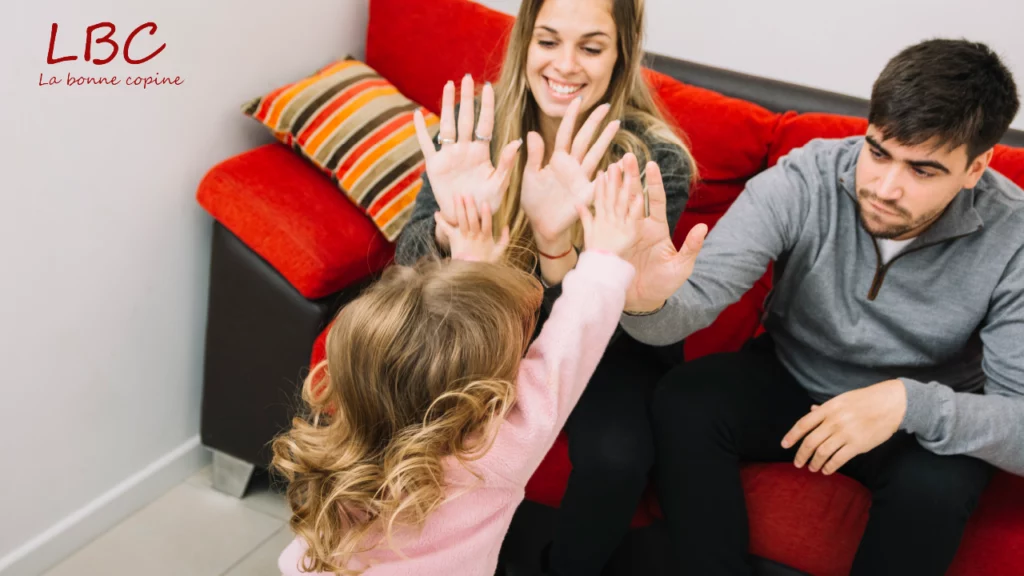
Friends express support through attentive listening, reassuring smiles, and spontaneous high‑fives.
Practical Tips to Boost Your Connection Through Gestures
- Become aware of your own body language: Watch your gestures and tweak them to match your message. active listening can transform relationships.
- Keep gestures and words aligned: Consistency signals authenticity.
- Read the room: Adapt your non‑verbal cues to the cultural and relational context.
- Practice actively: Maintain respectful eye contact, adopt an open posture, and engage in active listening.
Conclusion
Non‑verbal communication is far more than simple movement; it’s a powerful toolkit that, when used mindfully, deepens human connection and empathy. By observing and refining your gestures, you’ll not only upgrade personal relationships but also forge lasting, authentic bonds. Explore how nonviolent communication transforms bonds for even deeper impact.