How to Embrace Deep Reading in a Distracted World

Ever feel like you’re skimming the surface of a book while the real treasure stays hidden? You’re not alone—most of us glide through pages without truly diving in.
Reading isn’t just a habit; it’s a journey inward. When we slow down and honor each line, the wisdom that great writers have tucked away begins to surface.
Finding Your Path to Deep Reading
Our relationship with books often mirrors a river forced off its natural course. Constant notifications, endless scrolling, and the pressure to be productive build dams that block the flow of our literary intuition. Restoring that natural current takes patience and deliberate intention.
Modern life has stripped away our ability to engage deeply with texts. The nonstop buzz, information overload, and the “more is better” mindset keep us from the transformative experience true reading offers.
As Sven Birkerts writes in The Gutenberg Elegies, “We don’t need to learn how to read faster; we need to rediscover the art of reading deeply.” The first step? Simply decide to be fully present on the page. learn how books can transform your life
Seeing Beyond the Surface
Literary truth is like a quiet spring—subtle yet profound for those who listen. It differs from mere information intake, which often stays on the skin like a light drizzle.
Hemingway’s famed “iceberg theory” reminds us that only about one‑eighth of an iceberg shows above water. The remaining seven‑eighths are where the real meaning lives. Before each reading session, ask yourself, “What lies beneath these words?” That pause can change everything.
Mark Nepo puts it beautifully: “Deep reading creates a space where the writer’s soul meets the reader’s.” That meeting is the heart of authentic, deep reading.
cultivating Textual Resonance
Textual resonance is the moment a passage touches you beyond the intellect. In a culture saturated with data and distraction, those moments feel rare.
Think of it as a subtle melody played by words on the page. You won’t hear it when you rush; you’ll hear it when you slow down and truly listen.
To experience resonance, pause when a line moves you. Close your eyes, let the words echo through a few breaths, and notice how they weave into your own story. This simple practice turns reading into a deep dialogue.
Even medieval lectio divina embraced this depth—reading slowly, meditating, praying, and contemplating. The same approach works for any book you cherish.
Beyond Consumption: Claiming Literary Freedom

Authentic, deep reading gradually frees our minds from the “useful vs. entertaining” box. It’s like a spring tree shedding dead branches to make room for fresh growth.
Our collective obsession with productivity has turned books into tools—a phenomenon philosophers call the “instrumentalization of reading.” That mindset disconnects us from the holistic encounter a text can offer.
Transcending the Useful/Enjoyable Divide
We’ve built a moral hierarchy around books that breeds guilt and confusion. Labeling some books “serious” and others “light” creates an artificial ladder that rarely reflects true personal value.
Alberto Manguel observes, “When we judge books as ‘serious’ or ‘light,’ we impose a hierarchy that often has nothing to do with the real worth a text holds for us.” The real worth lies in how a book touches us personally.
Hemingway puts it plainly: “There are no rules in art except the ones you make, then break.” This liberating view invites curiosity over judgment across all genres.
Practicing Literary Curiosity
Instead of judging your reads, adopt a gentle curiosity. Notice how different texts stir your imagination, thoughts, and feelings.
Ask yourself:
- “How does this passage echo my own experience?”
- “What emotions arise while I read it?”
- “Does this book nourish me on several levels?”
After you finish, take a moment to note:
- The dominant emotion you feel
- A lingering image or idea
- Any shift in perception the reading sparked
This turns every book into an inner expansion rather than a mere data dump.
Mindful Reading: A Daily Meditation
Each book offers a chance to practice mindfulness, turning the act of reading into a literary meditation anyone can fit into a busy schedule.
Mindful reading isn’t an esoteric ritual for scholars; it’s a return to our natural state of attention when we receive another mind’s words. Our ancestors read deliberately—every book mattered, every idea was honored. discover simple habits for mental wellbeing
Ritualize Your Reading Moments
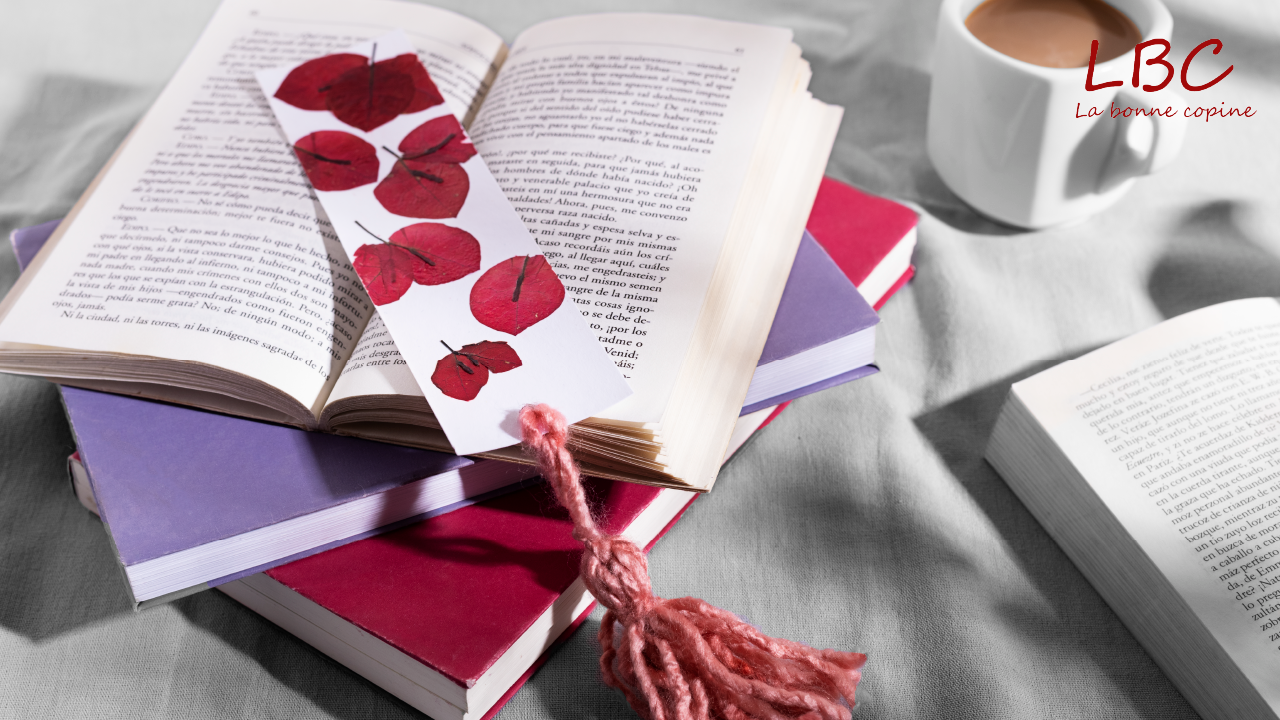
Create a sacred corner for your reading, even if it’s only ten minutes. Put phones away, set the scene, and breathe before you open the cover.
Reading rituals exist worldwide—from ancient Roman public readings to modern storyteller circles. They’re invitations to full‑presence.
Try these simple steps:
- Choose a dedicated spot that feels like a reading sanctuary
- Light a candle or brew tea as an opening gesture
- Run your fingers over the cover, feel the paper’s weight
- Take three deep breaths to anchor yourself
“An intentionally opened book is a doorway to another world,” bibliophiles remind us. That intention transforms even the simplest page into a nourishing experience.
The Art of Contemplative Reading
Follow this five‑step practice:
- Read a short passage slowly, savoring each word
- Close the book and breathe with the passage in mind
- Reflect on the feelings it awakens
- Re‑read the same lines, catching what you missed
- Integrate the new insight consciously
This method shines especially with “dense” texts. Giving a challenging passage space to unfold often reveals hidden treasures.
Guided 3‑minute practice: Pick a single sentence that moves you. Read it slowly, then close your eyes and repeat it silently. Notice the emotion or image that surfaces. Ask, “What is this sentence really teaching me?” Breathe, open your eyes, and read again. Notice any shift.
The Journey Toward Authentic Reading: Patience and Wonder

The path to deep reading mirrors the seasons: it needs time, patience, and acceptance of transition. Like a gardener watches buds unfold, watch your relationship with books evolve.
Remember, the journey isn’t linear. Expect advances, setbacks, plateaus, and sudden clarity. Each phase offers its own lessons.
Embrace Distractions as Teachers
When your mind wanders, see it as a learning moment—not a failure. Every “distraction” reveals something about your inner state.
Alan Jacobs, in The Pleasures of Reading in an Age of Distraction, reminds us that “Distractions are part of the reading process.” Approach them with curiosity.
Ask yourself:
- What pulls my attention away?
- Does this reveal an unmet need?
- How can I return with renewed presence?
Rainer Maria Rilke says it best: “Patience is everything.” Be patient with yourself as your focus drifts.
Build a Community of Mindful Readers
Our social environment heavily influences reading habits. Surround yourself with people who honor deep reading and share the practice.
Studies show our literary choices echo the circles we keep. Create a supportive network to enrich the experience.
Ways to nurture such a community:
- Start a reading circle that values attentiveness
- Share profound insights with a trusted friend
- Join groups focused on contemplative reading
- Write reflections that invite authentic dialogue
A mindful reading group creates collective harmony, supporting each member’s personal growth.
Conclusion: Feed Your Mind and Soul
Deep reading isn’t a destination; it’s an ongoing journey that deepens our relationship with texts, ideas, and life itself. By uncovering the hidden wisdom beneath each word, we nurture a sharper mind and a more present spirit.
Books become more than information vessels—they’re meetings with other consciousnesses, bridges between inner worlds. Each page offers a chance to reconnect with the intricate tapestry of shared human experience.
Practicing authentic, deep reading shows us that texts hold depths far beyond utility or entertainment. We learn to trust the intuitive intelligence that guides us to the books we truly need, exactly when we need them.
As Hemingway reminds us, “The real power lies in what is not said.” Likewise, true reading lives in the space between the printed line and our own lived resonance.
What small mindful reading habit could you start today?
Further Reading
- The Gutenberg Elegies by Sven Birkerts
- The Art of Slow Reading by Thomas Newkirk
- Lost in a Book by Victor Nell
- Meditative and contemplative reading practices
- Transformative reading journal ideas