
5 Signs of a Toxic Friendship and How to Protect Yourself

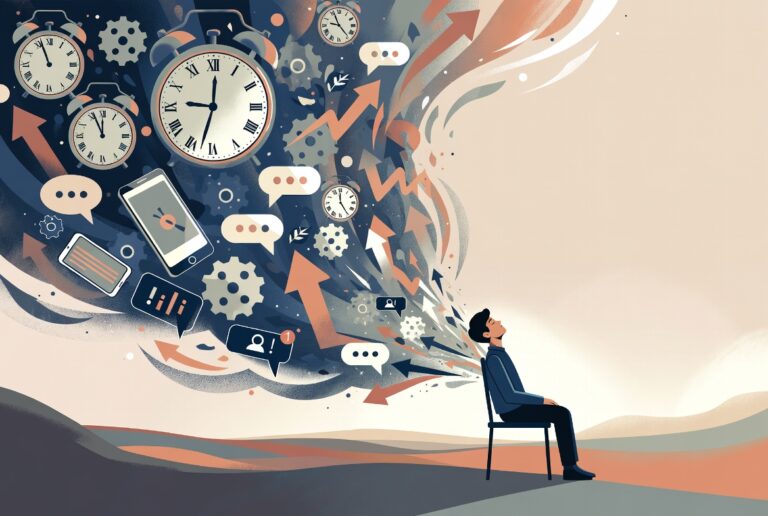
Feeling exhausted after time with a friend?
You might be overlooking the subtle toxic friendship signs that slowly erode your confidence, joy, and sense of self-worth, leaving you questioning your value and doubting every interaction and making you feel constantly on edge.
When Your Friend Plays Mind Games
The clearest mark of a toxic friendship is emotional manipulation. This sneaky behavior can appear as gaslighting, where your friend makes you doubt your own perception of reality. For example, they might downplay your feelings or blame you for things you never did.
The fallout from this manipulation runs deep. You gradually lose trust in yourself, becoming emotionally fragile and unsure. You may also sense a disbalance in the relationship, feeling compelled to meet their expectations while receiving no support in return.
Solution: First, recognize these manipulative patterns. Once you see the situation clearly, set firm boundaries with that person. State your needs without fear of retaliation. If the manipulation persists despite your efforts, it may be time to step back and reconsider the friendship. Using a guide to ethical communication can help you express those boundaries clearly and calmly.
The Green-Eyed Monster Lurking in Your Friendship
Excessive jealousy is another red flag of a toxic friendship. A friend who views you as a threat rather than an ally can grow jealous of your achievements, your relationships, and your plans. This jealousy often shows up as constant criticism or attempts to isolate you from other friends.
When jealousy turns toxic, it fuels feelings of rivalry and a drop in self‑esteem. A friend who envies you to the point of belittling you is not someone you can rely on.
Solution: Counteract this toxic dynamic by fostering an environment where each person’s successes are celebrated. Talk openly about the issue with the friend involved. If the pattern continues to harm your well‑being, consider reducing contact or ending the friendship altogether.
Constant Put‑Downs That Chip Away at Your Confidence
A further sign of a toxic friendship is constant devaluation. This can include relentless criticism of your life choices, your appearance, or your accomplishments. Instead of cheering you on, the toxic friend tries to lower you to boost their own ego, possibly mocking you and creating a climate of doubt and insecurity.
The impact of such devaluation can be severe. It wears away your self‑confidence and leaves you feeling worthless. Rather than feeling good in your own skin, you start questioning your abilities and decisions. Understanding how family shapes self-esteem can offer insight into why these put‑downs affect you so deeply.
Solution: In these cases, seek positive support from other friends or a caring family circle. Set clear limits** with the toxic person to protect your self‑esteem. If that isn’t enough, gradually distance yourself from them.
All Give, No Take: The One‑Sided Friendship
A toxic friendship often shows a one‑sided exchange. Here you pour time, energy, and resources into the relationship, yet the friend never reciprocates. You feel used, like a tool meeting their needs while they ignore yours.
This imbalance breeds emotional and financial exhaustion. Over time you feel drained, yet you sense you’ll never get the give‑and‑take you deserve.
Solution: Reevaluate the connection and work to rebalance the give‑and‑take. If the friend refuses to match your investment, you may need to step away**. A true buddy invests in the bond fairly and respectfully.
When Respect Goes Missing

The most obvious sign of a toxic friendship is a lack of respect. This can appear as ignoring your boundaries, your opinions, or your feelings. A toxic friend may criticize you publicly, humiliate you, or simply refuse to hear what you have to say.
The absence of respect breeds a sense of insecurity and contempt. Instead of feeling supported and understood, you’re constantly under pressure, which can seriously harm your mental health.
Solution: Assert your limits** and refuse to accept disrespectful behavior. If your attempts fail, it may be necessary to end the relationship** to safeguard your peace and well‑being.
Toxic friendships can leave a deep, negative mark on your emotional and mental well‑being. The signs of emotional manipulation, unhealthy jealousy, constant devaluation, one‑sided giving, and lack of respect are clear warnings that it’s time to step away from that relationship. By recognizing these behaviors and taking steps to set clear boundaries, you can begin to protect your mental health and rebuild connections that are more balanced and positive.
Remember, a healthy friendship rests on solid foundations of respect, mutual support, and understanding. If a friendship fails to honor these principles, it’s essential to consider walking away to regain your well‑being. Take a moment to reflect on your relationships and their impact on your life. If you spot any of these signs in a friendship, it may be time to face reality and move on.