The Power of Family Traditions: Keeping Heritage Alive Across Generations

Every family holds an invisible treasure always.
From whispered stories by the hearth to secret recipes handed mother‑to‑daughter, these family traditions shape our identity and link past, present, and future, and guide the choices we make today for generations to come.
“Tradition is not the worship of ashes, but the preservation of the fire.”
Gustav Mahler
From fireside tales and secret mother‑to‑daughter recipes to repeated gestures across generations, these family traditions shape our identity and weave an invisible thread linking past, present, and future—but how can we cherish them without freezing them in time? Dive into this family transmission and discover why it’s more vital than ever.
Understanding Family Traditions and Family Culture
Family traditions refer to the practices, rituals, and beliefs that are passed down from generation to generation within a family. They appear in many forms: customs, family recipes, religious rites, beliefs, and also specific know‑how such as farming or craft techniques. More broadly, family culture encompasses the shared values, attitudes, and behaviors of a family, transmitted through everyday actions and teachings, whether formal or informal.
Why Intergenerational Transmission Matters
Intergenerational transmission is the process by which knowledge, values, and practices are shared between generations of the same family. This process is essential for maintaining cultural identity and strengthening family bonds. Parents and grandparents, in particular, play a crucial role as role models and educators, helping children integrate into the family’s culture and traditions. Thus the family becomes a major agent of enculturation, where children learn not only practical skills but also the moral and social values of their community.
The Family’s Central Role in Cultural Transmission
The family represents the first place where traditions and culture are learned. As society’s smallest subsystem, it holds a major role in shaping individual and collective identity. Children observe, imitate, and actively take part in family rituals, which lets them understand their place in society and absorb the values and knowledge being passed on. In this way, the family becomes a model for children, teaching not only culture but also notions of respect, responsibility, and solidarity.
The Family as Society’s Smallest Unit
As the fundamental unit of society, the family plays an essential role in building social order. It reflects social and cultural values, and each family, in its own way, contributes to the reproduction of cultural practices. Children exposed to family values from an early age develop their personal identity through interaction with the surrounding culture. Through this constant interaction, they themselves become carriers of culture for future generations.
Family as a Role Model for Children’s Cultural Learning
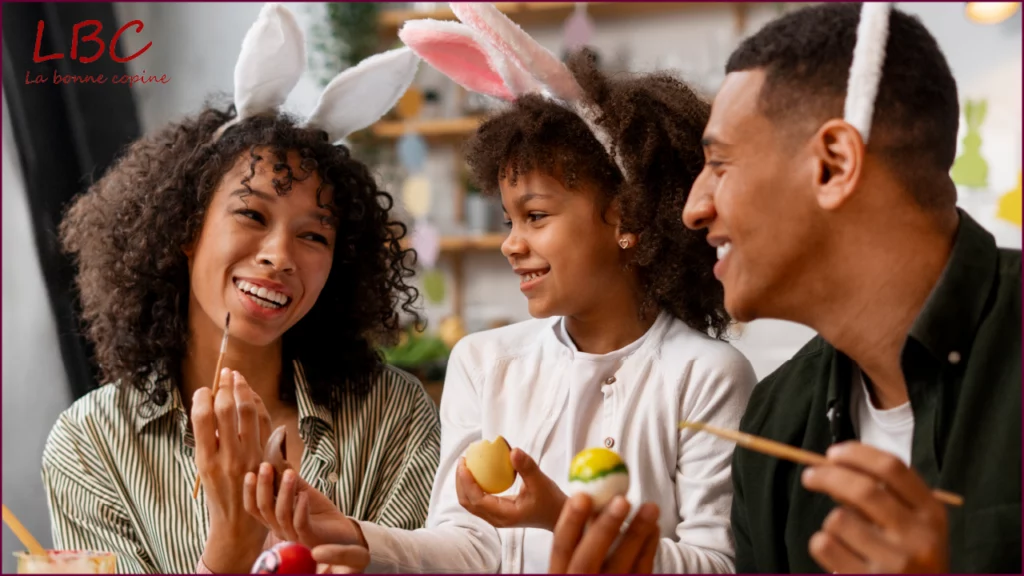
Parents, and especially mothers, play a central role in transmitting traditional knowledge. From a very young age, children learn by observing and participating in family activities. Whether in the kitchen, the garden, or while gathering wild plants, they absorb the gestures and values of their elders. These hands‑on activities go beyond skill acquisition; they carry deep cultural meanings that strengthen family bonds and the sense of belonging.
How Family Shapes Future Societies
The way knowledge and traditions are passed down within the family directly influences the development of future societies. Once adults, children carry these values and know‑how with them, reinterpreting and transmitting them in a broader context. Thus family transmission extends beyond the private sphere: it affects community development, as the sharing of common traditions helps build a collective identity.
Mechanisms of Transmission Within the Family
Vertical transmission across generations
Vertical transmission mainly flows from parents to children. This process relies on direct education and leading by example. Parents, grandparents, and even great‑grandparents play a key role by telling stories, practicing family rituals, and instilling values in their descendants.
The Vital Role of Women in Passing Down Traditional Knowledge
Women often occupy a central place in the transmission of traditional knowledge, especially in areas such as cooking, religious customs, and caregiving practices. They are frequently seen as the keepers of family and cultural traditions, and their role is crucial for preserving collective memory.
Learning from Observation and Participation from a Young Age
Children learn by watching their parents and grandparents, and by actively taking part in various family tasks. This early immersion in cultural practices allows them to absorb knowledge naturally and intuitively, making it easier for them to embrace family values.
Types of Knowledge and Traditions Passed Down
Horticultural Practices and Gardening
Gardening and plant cultivation are part of the family traditions that often pass from one generation to the next. Agricultural know‑how—whether it concerns planting, harvesting, or preserving plants—is an essential element of family culture, reinforcing the bond between humans and nature.
Foraging Wild Plants
Foraging wild plants is another tradition handed down in many families, particularly in rural communities. This practice preserves ancestral knowledge about using plants for medicine, food, and rituals.
Moral and National Values
Moral values and beliefs also play a central role in family transmission. Parents teach their children what is considered morally right and appropriate, and these values are often tied to a strong national or regional identity. teaching values through rituals can deepen this process.
Family Customs and Rituals
Family customs and rituals are deeply rooted practices in each family’s history. Whether religious or cultural, these rites strengthen affectionate bonds among family members and maintain continuity across generations.
The Importance of Family Traditions
Family traditions play a key role in building a sense of identity and belonging. They give individuals a solid anchor in their family history, helping them understand where they come from and what their place in the world is. These traditions also reinforce family ties, contributing to unity through challenges and across eras. how family shapes identity is a powerful testament to this.
Challenges of Family Transmission Today
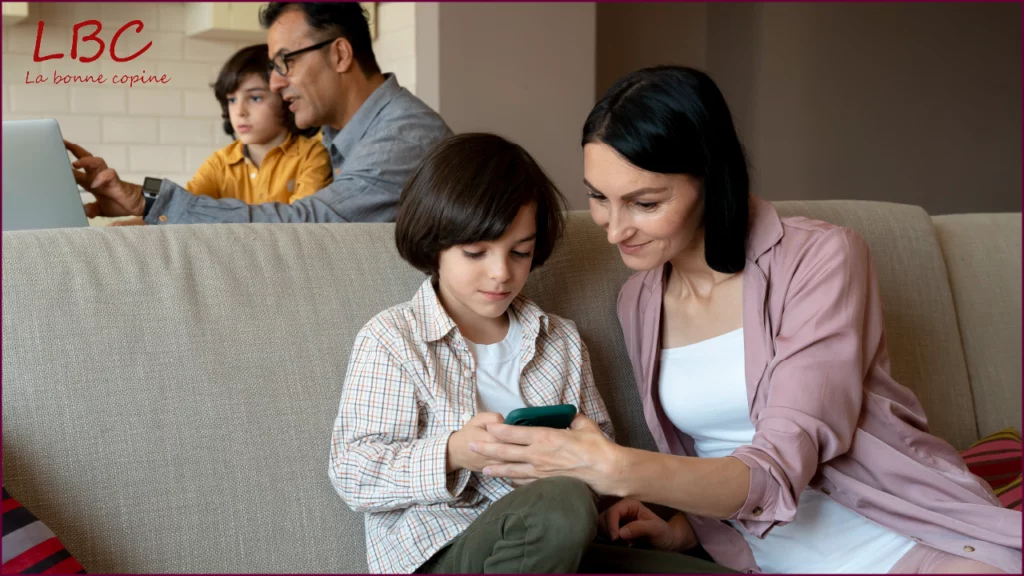
The Influence of External Agents (Educators, Media)
Today, family transmission faces many challenges, notably the growing influence of external agents such as educators, the media, and social networks. These influences can sometimes compete with family values, disrupting the intergenerational transmission process.
The Risks of Losing Traditional Knowledge in the Face of Modernization
Urbanization and globalization also pose a threat to the preservation of traditional knowledge. Younger generations, often attracted to more modern lifestyles, may turn away from ancestral practices. If modernization is not accompanied by active preservation efforts, it can erase certain traditions. does family still matter today?
The Importance of Documenting Ancient Practices
To counter this loss, it is essential to document ancient practices—whether in writing, through recordings, or via testimonies. This not only preserves a record of this knowledge but also makes it easier to pass on to future generations.
Conclusion
Family remains the heart of cultural transmission. It is through family that individuals are shaped, family values are created and perpetuated, and culture is passed on. Although contemporary challenges of modernization and globalization may disrupt this transmission, it is crucial to uphold and cherish family traditions. These should not be seen as a burden of the past, but as living elements essential to individual fulfillment and the preservation of collective identity.
Ultimately, while adapting to the modern world is necessary, it is vital to remember that family traditions must also evolve to stay relevant and alive. The balance between preservation and adaptation is therefore essential. Family remains the ideal setting to nurture this intergenerational reflection, ensuring a future where cultural values and ancestral knowledge continue to shape the societies of tomorrow.
{
“@context”: “https://schema.org”,
“@type”: “Article”,
“headline”: “The Power of Family Traditions: Keeping Heritage Alive Across Generations”,
“description”: “Explore how family traditions shape identity, strengthen bonds, and adapt to modern life while preserving cultural heritage.”,
“author”: {
“@type”: “Person”,
“name”: “Editorial Team”
},
“publisher”: {
“@type”: “Organization”,
“name”: “Labonnecopine”,
“logo”: {
“@type”: “ImageObject”,
“url”: “https://www.labonnecopine.com/logo.png”
}
},
“datePublished”: “2025-09-24”
}