
Mindfulness: A Powerful Tool to Reduce Stress for Good

Stress feels like a constant background noise these days, doesn’t it? Whether it’s a demanding job, a busy family life, or the endless stream of notifications, chronic stress chips away at our joy. Mindfulness offers a natural, lasting way to tame that inner turbulence, blending ancient meditation wisdom with modern science. learn more about natural stress reduction.
What’s Really Going On When We’re Stressed?
Understanding the Stress Response
Stress is our body’s instinctive alarm system, kicking in when we sense a threat or a heavy demand. Heart rate spikes, adrenaline surges, and we become razor‑sharp—what used to be the “fight or flight” response. Short bursts keep us safe, but when the alarm never stops, cortisol stays high, sleep suffers, immunity drops, and anxiety builds.
Why Does Stress Turn Chronic?
Our fast‑paced, hyper‑connected lives flood us with demands. Endless mental ruminations and worst‑case scenarios create a self‑reinforcing loop. Without a pause, these automatic patterns become our default, stealing calm. That’s where mindfulness steps in, breaking the cycle.
Mindfulness Basics: Roots and Real‑World Impact
From Ancient Practice to Modern Science
Mindfulness means intentionally directing a kind, non‑judgmental focus to the present moment—what we feel, think, or notice. Though rooted in Buddhist meditation, Dr Jon Kabat‑Zinn brought it to the West through the MBSR (Mindfulness‑Based Stress Reduction) program, showing how attentive awareness can soothe stress.
How Mindfulness Rewrites the Stress Script
By catching ruminations in their tracks, mindfulness pulls attention back to now, easing emotional reactivity and building resilience. Neuroscience backs this up: regular practice reshapes the prefrontal cortex, the brain hub for emotion regulation.
Science‑Backed Benefits of Mindfulness for Stress

What the Research Shows
Numerous trials reveal that a regular mindfulness routine slashes cortisol levels, boosts stress resistance, and improves overall quality of life within weeks. discover how laughter fights stress. The ripple effect reaches depression, sleep disorders, and even chronic pain.
Real‑World Stories
Companies adopt mindfulness to cut absenteeism and lift employee morale. Elite athletes use it to sharpen focus and stay cool under pressure. These examples prove that mindfulness can rewrite our relationship with stress—both at the desk and on the track.
Getting Started: Simple Mindfulness Practices for Beginners
Setting Up Your First Session
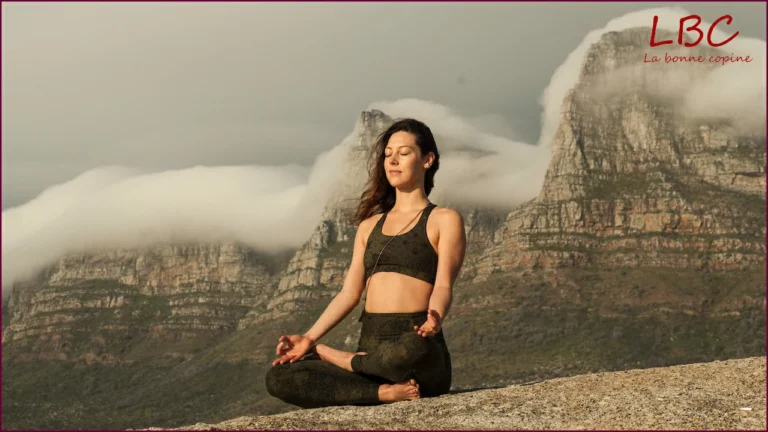
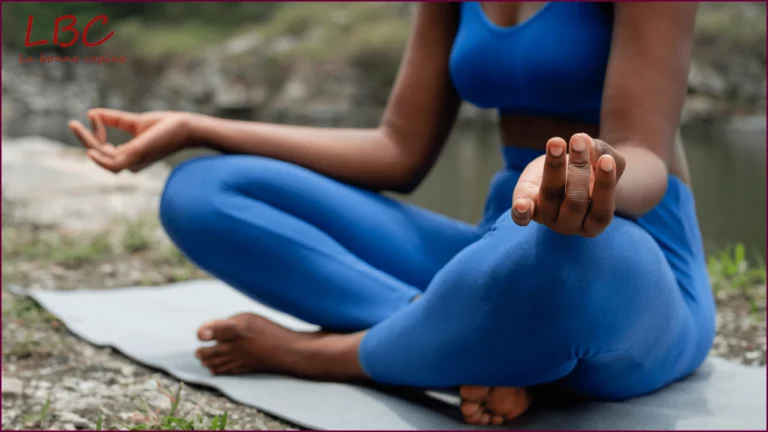
Find a quiet spot, sit or lie down comfortably, and turn your attention to the breath. Notice the natural rise and fall without trying to change it. When thoughts appear, acknowledge them, then gently return to the inhale‑exhale rhythm. Kindness toward yourself is key—welcome distractions without frustration.
Everyday Exercises You Can Try
Here are quick techniques to weave mindfulness into daily life:
- The body scan—slowly bring awareness to each part of the body, noticing sensations.
- Mindful walking—feel the contact of each footstep with the ground.
- Short breathing pauses—take a few mindful breaths before a meeting or after a stressful email.
- Sitting meditation, guided or silent. explore guided meditation techniques.
Just a few minutes a day can spark noticeable change.
Why Consistency Matters
Like any skill, mindfulness grows with regular practice. Over time, it becomes a mental shield, defending against chronic stress and fostering lasting calm.
Going Deeper: Making Mindfulness a Lifestyle

Tailoring Mindfulness to Your Life
Mindfulness isn’t one‑size‑fits‑all. Use it to ease workplace pressure, soothe strained relationships, or cope with chronic illness. The goal is to sprinkle mindful awareness throughout everyday activities, turning each moment into an opportunity for presence.
Resources to Deepen Your Practice
Explore MBSR courses, apps like Headspace or Calm, books, workshops, or work with a certified mindfulness coach. These tools provide structured pathways toward lasting well‑being.
Conclusion
Mindfulness is a practical, evidence‑based method to reduce stress for good. By inviting us to attend to the present with curiosity and kindness, it reshapes how we meet life’s challenges. It’s not a quick fix; it’s a lifestyle habit that, with patience, offers deep calm, better emotional balance, and a more harmonious everyday experience.