
Boost Your Learning Power with Guided Meditation and Active Curiosity

Ever feel like your brain hits a wall when you try to master something new? Pairing guided meditation with active curiosity can melt that barrier away and turn studying into a joyful adventure.
Why Guided Meditation Is Your Secret Learning Weapon
A. What Exactly Is Guided Meditation?
Guided meditation is a friendly, step‑by‑step practice you can slip into any routine. Instead of sitting in silence, you follow a soothing voice—via an app, podcast, or audio file—that leads your attention to the breath, a visual cue, or a bodily sensation. This gentle direction makes it easier for beginners to stay focused.
B. Science‑Backed Benefits for Your Brain
Research shows guided meditation lowers cortisol, the stress hormone, and creates a calm mental space. With fewer mental distractions, concentration sharpens and you can lock onto a task for longer periods. It also boosts brain plasticity—the ability to rewire neural pathways—so you absorb new information faster. Plus, better emotional regulation helps you stay steady when challenges arise. You can also learn how to reduce stress naturally to enhance this effect.
Tap Into Active Curiosity: Your Natural Learning Engine
A. Getting to Know Active Curiosity
Active curiosity is that restless urge to explore, ask questions, and understand the world around you. It fuels intrinsic motivation and makes memories stick, because the mind naturally latches onto topics that spark interest.
B. Everyday Habits to Nurture Curiosity
The good news? Curiosity can be cultivated. Simple habits—asking “why,” reading across genres, chatting with diverse people, taking notes, and trying out new ideas—keep your mind buzzing. Each habit creates a virtuous loop where curiosity fuels learning, and learning, in turn, fuels curiosity. To deepen this practice, consider discovering ways to harness your creative mind as part of your curiosity toolkit.
How Guided Meditation and Active Curiosity Supercharge Each Other
A. Preparing Your Mind with Guided Meditation
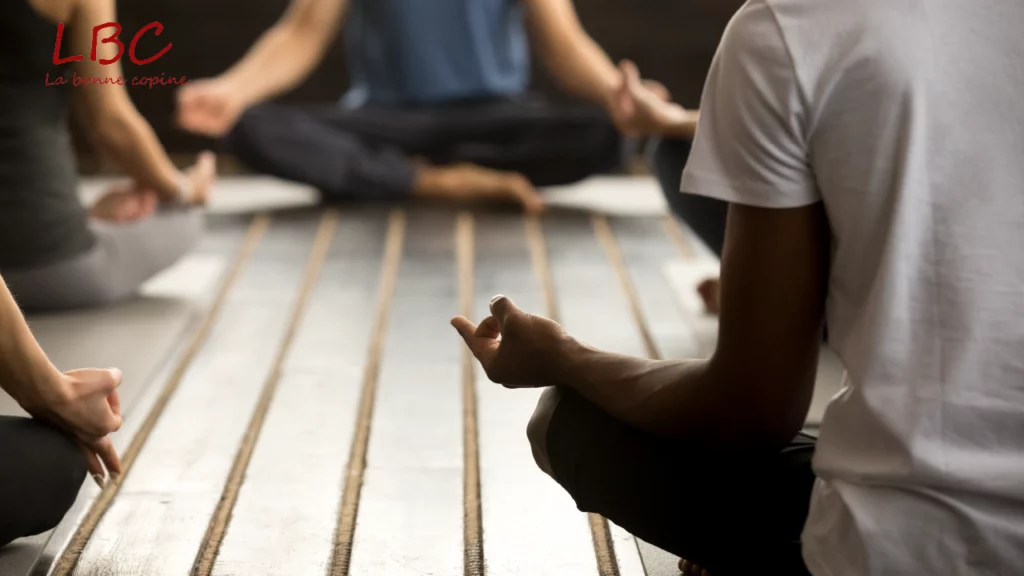
Guided meditation acts as a mental warm‑up. By soothing mental chatter, it creates a receptive brain state ready to dive deep into study material. Distractions fade, allowing curiosity to surface without competition.
B. Feeding Curiosity with Focused Attention
Once meditation has set the stage, active curiosity blossoms. Focused attention becomes creative fuel, steering your learning toward richer, more sustaining explorations. The result? A study session that feels less like work and more like an immersive adventure.
Practical Tips to Blend Guided Meditation and Active Curiosity

A. Guided Meditation Exercises for Learning
- Breath Awareness: Follow the natural rise and fall of your breath to quiet the mind.
- Mindful Observation: Notice sensations and thoughts without judgment, strengthening presence.
B. Ways to Strengthen Active Curiosity
- Keep a curiosity journal: Jot down questions, discoveries, and fresh ideas.
- Take “curiosity breaks” to dive into a random topic for a few minutes.
- Practice active reading: Pose questions while you read and seek deeper understanding.
C. Craft a Combined Ritual
Start each learning session with a short guided meditation to clear the slate. Then let your curiosity decide which angles to explore. This simple two‑step ritual maximizes retention and keeps motivation soaring.
Conclusion
Guided meditation and active curiosity are complementary forces that unlock limitless learning potential. Meditation calms and primes the mind; curiosity injects passion and creative energy for endless exploration. Adopt this dual approach and watch your study sessions become deeper, more efficient, and undeniably more enjoyable.
Ready to try it today? Experiment with these practices, share your insights in the comments, and embark on a border‑less learning journey.