
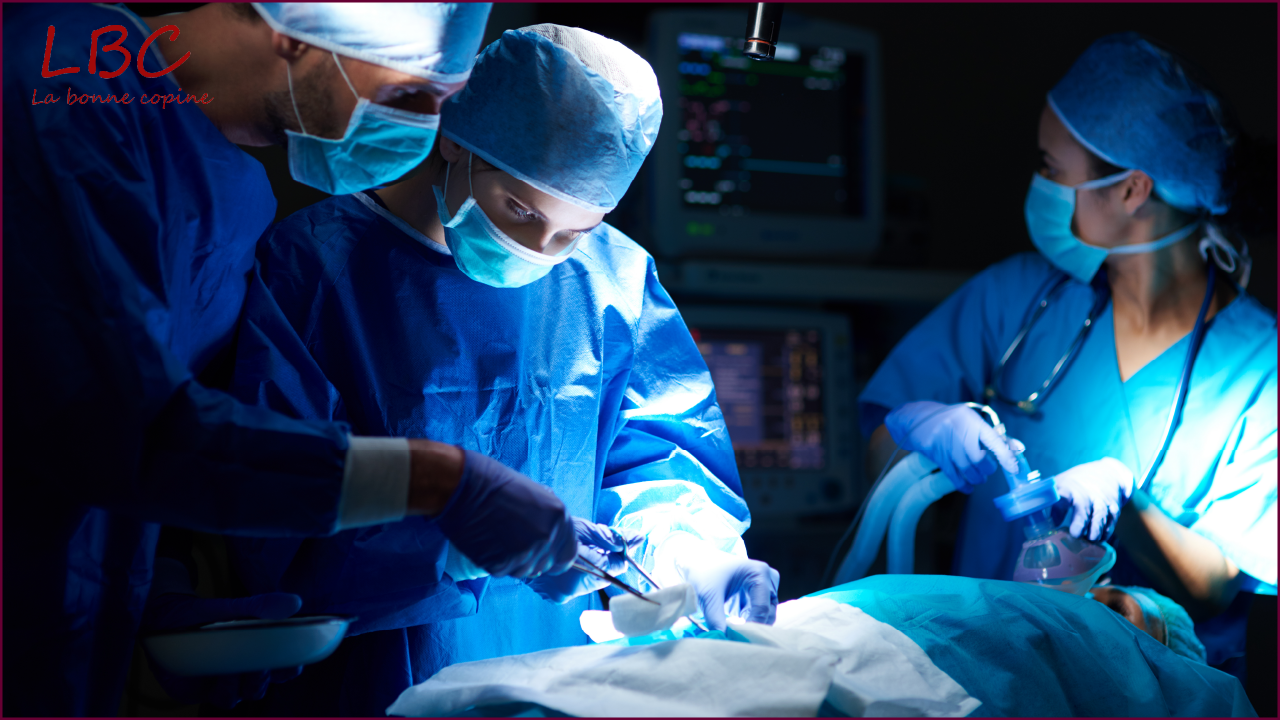
European Cesarean Gap: 73% in Private Clinics Vs 40% in Public Hospitals

Ever wondered why a C‑section feels like a rite of passage in some countries while it’s a rare exception in others? In Southern Europe the setting of your birth can change the odds dramatically, and the numbers are startling.
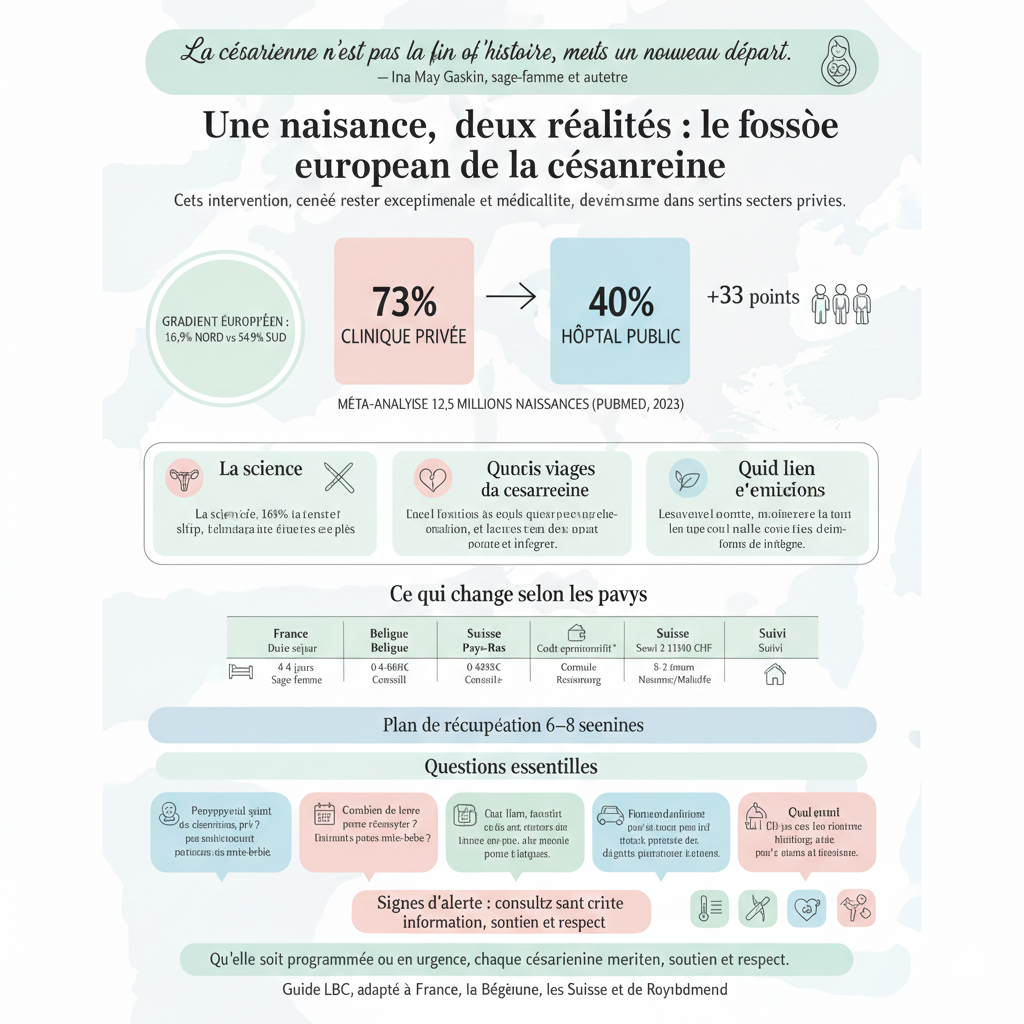
In private maternity wards, nearly 73 % of deliveries end with a cesarean, compared with 41 % in public hospitals. This figure comes from a massive meta‑analysis of 12.5 million births and raises a critical question: how did an intervention meant to be a last resort become routine in certain sectors?
“A cesarean isn’t the end of the story; it’s a new beginning.”
Ina May Gaskin, midwife and acclaimed author on natural childbirth.
What the Numbers Reveal: A Deep Dive into the European Cesarean Divide
In Southern Europe, where the place of birth reshapes the whole birth narrative, the disparity is stark: a private clinic cesarean rate of 73 % versus 41 % in public hospitals. This eye‑opening statistic, drawn from a meta‑analysis covering 12.5 million births, provokes a vital question: how has an intervention meant to be exceptional become, in some sectors, the norm?
In France, roughly one in five women undergo a cesarean, yet the experience remains an intimate upheaval—physically, emotionally, and socially.
This exclusive article goes beyond raw statistics to give you a holistic support system:
- Data decoded: Why do public and private sectors diverge so sharply?
- Voices of mothers: Authentic testimonies that break the isolation.
- LBC care protocol: A structured 6‑to‑8‑week recovery plan tailored to the health systems of five countries (France, Belgium, the Netherlands, Switzerland, the United Kingdom).
Because the journey to motherhood—whether it passes through an operating room or not—deserves serenity, respect, and flawless information.
The Public‑Private Gap That Demands Attention
A meta‑analysis of 12.5 million births across 25 nations shows a striking gradient: 16.9 % cesareans in Northern Europe versus 54.9 % in the South. The public‑private split reaches unexpected proportions.
| Country | Public Sector | Private Sector | Gap | Source |
| Southern Europe Avg. | 40.9 % | 73.1 % | +32.2 pts | PubMed 2023 |
| Italy | 38 % | 72 % | +34 pts | Research.lu |
| Spain | 42 % | 74 % | +32 pts | 2022 Data |
Researchers say the gap mostly concerns low‑risk women whose chance of a cesarean almost doubles in private care. Explanations include hospital organization, financing models, and sometimes a personal desire for a scheduled birth.
The Three Faces of a Cesarean
1. The Science
A cesarean delivers the baby through an abdominal incision. In France it accounts for 21 % of births—well above the WHO recommendation of 10‑15 %. Indications include breech presentation, stalled labor, fetal heart‑rate anomalies, placental abruption, placenta previa, or a previous cesarean.
Its major advantage: it saves lives in critical situations. Yet it remains surgery, carrying infection risk, marked postoperative pain, a longer healing phase, and future complications (1 % uterine rupture, placenta previa).
2. The Emotion
“I felt stripped of my birth,” shares Sarah, 32, after an emergency cesarean. “I had planned everything, and in minutes it all collapsed.”
This sense of loss is common and valid. In Belgium, Anne notes, “In private care I felt pressure to schedule.” In Switzerland, Laura adds, “Recovery took two months, far longer than expected.”
Emotional support—from partner, family, caregivers, or a how to embrace emotional healing—can prevent baby blues or postpartum depression.
3. The Society
In some circles a cesarean is still seen as a failure, a stigma that isolates women. Thankfully, movements are emerging: Instagram accounts, support groups, and memoirs that normalize the cesarean as a brave, whole‑hearted birth experience.
What Changes from Country to Country
| Aspect | France | Belgium | Netherlands | Switzerland | UK |
| Hospital stay | 4‑5 days | 3‑4 days | 2‑3 days | 4‑5 days | 1‑2 days |
| Cost* | €0‑450 | €0‑600 | €0‑385 | CHF 0‑1,000 | NHS free |
| Home follow‑up | Midwife | Advice+ | Kraamzorg | Hebamme | Midwife |
*Depending on insurance
Universal pillars remain: adequate rest, immediate skin‑to‑skin (even in the OR), breastfeeding from the recovery room, and emotional accompaniment.
Six‑to‑Eight‑Week Cesarean Recovery Plan

Weeks 0‑2: Survival Mode
Priorities: pain control with regular analgesics, daily scar care (gentle soap, infection watch), gradual mobilization (out of bed by Day 1 to prevent clots), and indispensable help with baby handling.
LBC Tip: Keep a scar‑healing journal—track pain on a 1‑10 scale and note daily changes. It helps spot complications early. inner greatness for recovery
Weeks 3‑4: Gentle Return
Walk 15‑30 minutes daily, protect the perineum (still stressed from pregnancy hormones), and favor healing foods—protein, iron, vitamin C, and plenty of water.
Weeks 5‑8: Reconstruction
Introduce low‑impact activities (postnatal yoga, swimming after medical clearance), consider psychological support if sadness, anxiety, or flashbacks arise, and plan any future pregnancy—wait at least one year.
Warning signs – Call your provider if:
- Persistent sadness or difficulty bonding.
- Fever > 38 °C.
- Redness or discharge from the scar.
- Increasing vaginal bleeding.
- Severe abdominal pain.
- Calf swelling (possible clot).
- Shortness of breath or chest pain.
What Changes (and What Doesn’t) After a Cesarean
The Bond with Baby
Core question: “Will a cesarean damage my bond?” Research reassures us—what matters most is the overall birth experience and the quality of that first contact, not the delivery route. Studies show that at 8 weeks and 14 months, cesarean mothers report attachment levels equal to, or even stronger than, those who delivered vaginally when support was positive.
Immediate skin‑to‑skin (even in the OR) and early breastfeeding make all the difference. More teams now offer these practices.
Your Body
Baseline recovery: 6‑8 weeks—longer and more painful than after a vaginal birth. This period is needed before intense sport, comfortable driving, or lifting heavy loads.
The perineum still needs care after a cesarean; pregnancy has already stressed it. Perineal rehab remains essential.
Essential Questions Answered
Why are private cesarean rates so high?
The 12.5 M‑birth study shows 73.1 % in private vs. 40.9 % in public (Southern Europe). Drivers: hospital organization, reimbursement structures, staff availability, and personal scheduling preferences—especially among low‑risk women for whom a cesarean isn’t always medically necessary.
How long does recovery take?
Base: 6‑8 weeks. Weeks 1‑2 demand daily help; weeks 3‑4 allow light walking; gentle sport at 6 weeks with clearance; intense training or heavy lifting >5 kg after 3‑6 months, depending on healing.
Does a cesarean prevent bonding?
No. The decisive factors are the overall birth experience and immediate contact. Skin‑to‑skin, early nursing, and compassionate support foster a robust attachment, as shown by research at 8 weeks and 14 months.
When can I resume driving or sports?
Walk as early as Day 2 (to guard against clots). Drive after 2‑3 weeks if you can brake without pain. Gentle exercise at 6 weeks with clearance; high‑impact or weight‑lifting >5 kg after 3‑6 months, based on scar healing.
Is a vaginal birth after cesarean possible?
Yes. With a low‑segment uterine scar, 60‑80 % of women achieve a successful VBAC. It requires close monitoring in a hospital equipped for emergencies (uterine rupture risk ~1 %). Discuss early in your next pregnancy.
LBC Hub
Additional resources:
- Cesarean scar care and warning signs
- VBAC: chances, conditions, FAQs
- Emotional recovery: baby blues & postpartum depression
- 10 foods that aid post‑cesarean healing
- Detailed European public‑private comparison
Links: Comfortable breastfeeding positions | Perineal rehabilitation
Further Reading
- “Birth Matters” by Ina May Gaskin
- “Cesarean and Birth: Between Passion and Reason” by Michel Odent
- Journal of Perinatal Education – latest post‑cesarean research
- “Beyond the Birth: A Year of Open Hearts and Minds” by Penny Simkin
- “Healing Your Body After Cesarean Birth” by Gail Tully
Important: If persistent emotional distress follows your cesarean, seek a perinatal mental‑health professional. Psychological support is a strength, not a weakness.
Embracing a thoughtful cesarean recovery plan can transform a challenging experience into a journey of empowerment and well‑being.