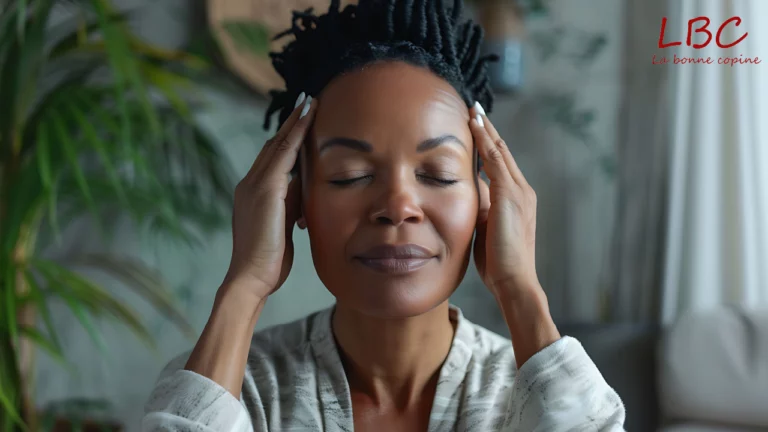

How to Free Yourself from the Past and Embrace Emotional Healing

Imagine letting go of heavy memories that weigh down your mind and heart, making space for inner peace. This emotional healing journey—tough but transformative—helps you reconnect with your true self and step into a calmer future. As Carl Jung said, “Healing is a journey, not a destination.” Discover how emotional healing can reshape your life, mend old wounds, and bring lasting personal fulfillment.
The weight of the past can feel like a burden you carry everywhere, sapping your emotional well‑being and blocking you from moving forward. Whether it’s old hurts, lingering regrets, or limiting beliefs, these patterns color how you see the world and interact with others, often keeping you stuck in the present moment. Emotional healing is the key to breaking those chains and unlocking authentic personal growth. learn about deepening emotional intimacy
In this article we’ll walk through the essential steps to release the past, heal emotional wounds, and flourish. We’ll explore what emotional injuries look like, practical strategies to overcome them, and concrete tips for cultivating a more serene, thriving life.
Understanding the Weight of Yesterday: What Emotional Wounds Really Are
Emotional wounds are painful experiences stored in our past—often tied to rejection, abandonment, humiliation, betrayal, or injustice. They leave deep imprints on our psyche and shape the way we view the world and relate to others.
These wounds go beyond the events themselves; they linger in the stories we tell ourselves. Negative thought patterns emerge, slowly eroding our potential. For example, someone who faced early rejection may struggle to trust or fully accept themselves.
The first step toward emotional healing is simply noticing these wounds and acknowledging how they show up in daily life. Awareness creates space to loosen the grip of limiting beliefs and begin the process of release.
Key Steps to Release the Past and Start Healing
- Leave the Past Where It Belongs
Accept that you can’t change what’s already happened. Stop ruminating on mistakes and regrets, and refocus on the present and future. This conscious decision to drop the unrepairable frees up energy for transformation. - Learn to Forgive
Forgiveness isn’t about minimizing pain; it’s about freeing the negative energy attached to the wound. Start with yourself—grant self‑forgiveness for past errors, accept imperfections, and release remorse. Then extend forgiveness to others, even when it feels hard. It’s not forgetting, but loosening emotional control. - Adopt a Positive Outlook
Cultivate optimism by surrounding yourself with supportive, nurturing people. Focus on what’s working, practice gratitude, and let a clearer, more constructive vision of the future emerge. - Learn from Every Experience
Each challenge, no matter how painful, holds a lesson. Identify the insights from your past experiences, use introspection as a growth tool, and avoid repeating old patterns. - Find a Supportive Community
Emotional healing isn’t a solo trek. Reach out to friends, family, or a therapist to break isolation. Professional guidance can provide concrete tools for managing emotions and reshaping your narrative. - Practice Daily Gratitude
Transform how you view the past by acknowledging the resilience you displayed during adversity. Gratitude rewires perception, helping you honor growth that emerged from hardship. - Release and Let Go
The final leap is learning to let go. Detach from painful memories and the negative emotions they trigger. Emotional release brings a lightness and inner peace that feels almost palpable.
Tools and Practices to Support Your Emotional Healing Journey
Various practices can smooth the path to recovery. Below are some of the most effective therapeutic approaches:
- Cognitive‑behavioral therapy (CBT): Rewires negative thought patterns into healthier, more constructive ones.
- EMDR (Eye Movement Desensitization and Reprocessing): Helps reprocess traumatic memories so they’re less disruptive.
- Meditation and mindfulness: Promote relaxation and better emotional regulation.
- Ho’oponopono: A Hawaiian practice using four powerful phrases—“I’m sorry,” “Please forgive me,” “I love you,” “Thank you.”—to release negative memories and restore inner peace.
- Journaling: Therapeutic writing lets you express feelings, clarify thoughts, and achieve catharsis. discover how emotional grief fuels growth
Building a Life Aligned with Purpose: From Healing to Personal Flourishing

Freeing yourself from the past isn’t just an escape from pain; it’s a roadmap to lasting personal flourishing. Healing emotional wounds lets your true nature shine and your potential unfold.
- Cultivate self‑awareness: Explore your strengths, values, and aspirations to steer toward a life that truly reflects you.
- Boost confidence and resilience: Overcoming past hurts builds self‑trust and equips you to face life’s challenges with greater ease.
- Step outside your comfort zone: Taking risks and embracing new challenges fuels growth and skill development.
- Keep gratitude alive: Regular gratitude sustains a positive outlook and helps you spot beauty in everyday moments.
Conclusion
Freeing yourself from the weight of the past is a deep, liberating journey. Emotional healing dismantles invisible chains, allowing you to live fully and serenely. The road can be long and occasionally bumpy, but it’s rich with lessons and discoveries.
Anyone can start this journey at their own pace, with patience and self‑compassion. With the right tools and supportive guidance, emotional healing isn’t just possible—it opens the door to lasting, authentic personal flourishing.
Personal flourishing is an ongoing process, fueled by self‑awareness, turning wounds into strengths, and committing to a life full of meaning. explore mindful learning for inner peace