
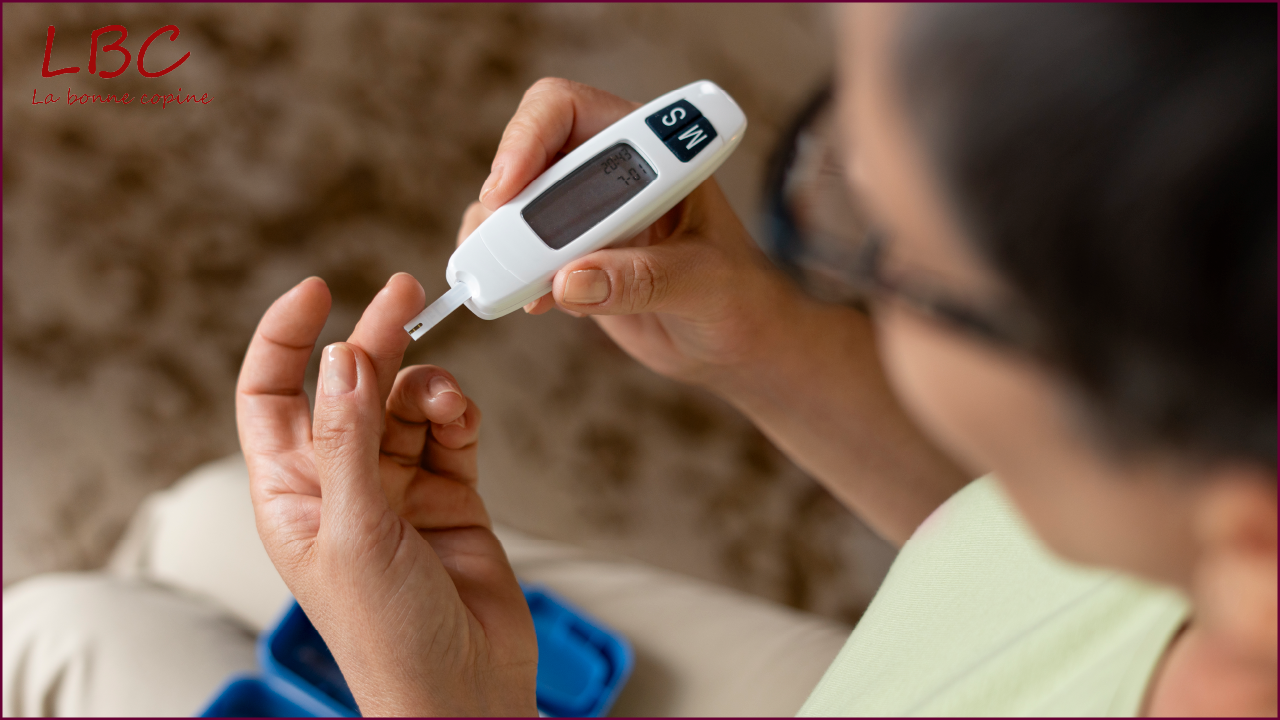
Type 2 Diabetes: The Silent Epidemic of Our Century

“Diabetes is a chronic disease, but not a life sentence. Every small step toward a balanced lifestyle is a victory over this silent condition.”
Dr. Jean-François Gautier, diabetologist and researcher at INSERM
Understanding type 2 diabetes prevention begins with spotting the silent spread of this widespread condition.
It creeps in without warning, yet our daily choices hold the power to change its course.
The Hidden Impact of Type 2 Diabetes on Global Health
Type 2 diabetes often creeps in quietly, without alarming symptoms, sometimes lingering for years before detection. Yet this chronic condition now affects over 463 million adults worldwide—a figure projected to rise to 700 million by 2045, according to the International Diabetes Federation. In France alone, nearly 4 million people are affected, with 700,000 unaware they have it.
Behind these worrying statistics lies hopeful news: unlike type 1 diabetes (an autoimmune condition), type 2 is largely shaped by lifestyle. Around 80% of cases could be prevented or significantly delayed through accessible habit changes. Even after diagnosis, daily adjustments can help regain blood‑sugar control—and sometimes even achieve remission.
In this article, we’ll explore the mechanisms of type 2 diabetes, its often‑overlooked early signs, and the scientifically backed strategies to prevent or live well with it. Understanding your body is the first step toward caring for it.
Three Core Insights to Understand Type 2 Diabetes
Type 2 diabetes stems from a fundamental breakdown in how our body manages energy. To grasp it, three key concepts are essential.
1. How Blood Sugar Gets Stuck: The Biology Behind Type 2 Diabetes
The root of type 2 diabetes lies in a fundamental breakdown of how our body manages energy. To grasp it, three key concepts are essential.
Insulin, the conductor of blood sugar
Insulin is a hormone produced by the pancreas that lets glucose (sugar) in the bloodstream enter cells to be turned into energy. Without it, sugar would remain trapped in circulation, unusable by our tissues.
In type 2 diabetes, it isn’t insulin production that fails (as in type 1), but its effectiveness. Cells develop insulin resistance: despite its presence, the cellular doors don’t open properly for glucose.
Insulin resistance: a vicious cycle
Insulin resistance builds gradually, often over several years. Initially, the pancreas tries to compensate by producing more insulin. This temporary hyperinsulinemia can keep blood sugar normal, but at the cost of exhausting pancreatic cells.
A 2022 study in The Lancet shows that this resistance often starts 10 to 15 years before a diabetes diagnosis, offering a crucial window for early intervention.
Long‑term consequences
Chronic hyperglycemia acts like a slow‑forming caramel, damaging blood vessels and nerves. These microscopic injuries explain the potential complications of diabetes:
- Microvascular: damage to the retina (retinopathy), kidneys (nephropathy), and nerves (neuropathy)
- Macrovascular: cardiovascular disease, stroke
- Impaired healing: higher infection risk and diabetic foot ulcers
The UK Prospective Diabetes Study found that lowering HbA1c by just 1% cuts microvascular complication risk by 37% and diabetes‑related deaths by 21%.
2. Who’s at Risk? Assessing Your Vulnerability
Type 2 diabetes does not strike randomly; certain factors markedly raise the likelihood of developing it.
Non‑modifiable factors
Some risk elements are beyond our control, but knowing them encourages vigilance:
- Genetics: having a first‑degree relative with type 2 diabetes doubles to sextuples your risk.
- Age: risk climbs after 40, though worrying rises are seen in younger adults.
- Ethnic background: groups such as African‑American, Hispanic, and Asian populations face higher vulnerability.
- Gestational diabetes: women who had it during pregnancy are seven times more likely to develop type 2 later.
Modifiable factors
These can be influenced by everyday choices:
- Excess weight and obesity: especially abdominal (visceral) fat.
- Sedentary lifestyle: fewer than 30 minutes of physical activity per day.
- Poor diet: high in refined sugars and ultra‑processed foods.
- Sleep disturbances: sleep apnea or consistently under six hours.
- Chronic stress: elevated cortisol fuels insulin resistance.
A 2021 meta‑analysis in JAMA Internal Medicine confirmed that these modifiable factors explain over 90% of new type 2 diabetes cases.
Metabolic syndrome: the perfect storm
Metabolic syndrome clusters several conditions that together spike type 2 diabetes risk:
- Waist circumference > 88 cm (women) or > 102 cm (men)
- Triglycerides ≥ 1.5 g/L
- HDL cholesterol
- Blood pressure ≥ 130/85 mmHg
- Fasting glucose ≥ 1 g/L
Meeting three of these five criteria defines metabolic syndrome and quintuples the risk of type 2 diabetes. Each marker can be checked in a standard health panel.
3. Early Warning Signals: Recognizing Subtle Symptoms

Type 2 diabetes is nicknamed the “silent killer” because it can progress symptom‑free for years. Still, certain subtle signs can raise a flag.
Classic symptoms often overlooked
These tend to appear once blood sugar is already markedly high:
- Polyuria: increased urine volume and frequency
- Polydipsia: excessive, persistent thirst
- Unexplained fatigue: especially after meals
- Blurred vision: visual swings tied to glucose fluctuations
- Slow wound healing or recurring infections
Less‑known but telling signs
Some subtler clues can precede diagnosis by years:
- Acanthosis nigricans: dark, velvety skin patches, often in folds (neck, armpits)
- Restless legs syndrome: irresistible urge to move legs, especially at rest
- Post‑meal drowsiness: excessive sleepiness after eating
- Recurrent fungal infections: notable genital yeast infections
- Peripheral neuropathy: tingling or numbness in the extremities
A study in Diabetes Care found that 74% of people later diagnosed with type 2 diabetes recalled at least one of these symptoms in the year prior to diagnosis.
Prediabetes: the warning stage
Prediabetes means blood sugar is above normal but not yet high enough for a diabetes diagnosis:
- Fasting glucose between 1.10 and 1.25 g/L (6.1‑6.9 mmol/L)
- HbA1c between 5.7% and 6.4%
Far from benign, prediabetes already raises cardiovascular risk and progresses to full diabetes in 5‑10% of cases each year. The good news? It’s a reversible phase where intervention can be especially effective.
Effective Strategies for Type 2 Diabetes Prevention
Whether you aim to prevent diabetes or better manage it after diagnosis, here are concrete tools to put into action.

1. Balanced Nutrition: Beyond Calories
Nutrition sits at the heart of preventing and managing type 2 diabetes, but not necessarily in the way many imagine.
The myth of pure calorie restriction
For years, cutting calories was seen as the sole answer. Modern science adds nuance:
- Nutritional quality matters as much as, if not more than, quantity
- Meal timing significantly influences glycemic response
- Certain specific nutrients offer protection independent of weight
Principles of an anti‑diabetes diet
Recent research, notably the PREDIMED trial, highlights several beneficial dietary principles:
- Prioritize fiber
- Unlimited non‑starchy vegetables
- Regular legumes (lentils, chickpeas, beans)
- Whole grains over refined
- Whole fruit rather than juice
- Choose healthy fats
- Extra‑virgin olive oil
- Nuts and seeds (almonds, walnuts, etc.)
- Fatty fish (sardines, mackerel, salmon)
- Limit saturated and trans fats
- Moderate sugars
- Avoid sugary drinks (the top source of added sugar)
- Cut high‑glycemic foods
- Prefer naturally occurring sugar in whole fruit
- Pair carbs with protein and fat to slow absorption
The Mediterranean diet: a diabetes‑defending champion
Among all eating patterns studied, the Mediterranean diet repeatedly tops the list for protecting against type 2 diabetes. A 2020 BMJ meta‑analysis showed it lowers disease risk by 30%.
This pattern features:
- Abundant seasonal vegetables, fruits, and legumes
- Olive oil as the primary fat source
- Moderate fish, poultry, and dairy
- Limited red meat and processed foods
- Herbs and spices instead of salt
Discover how superfoods can boost health learn how superfoods can boost health.
2. Physical Activity: The Universal Medicine
Exercise ranks among the most potent weapons against type 2 diabetes, delivering effects that go far beyond simple calorie burn.
How it works
Physical activity acts on several fronts simultaneously:
- Insulin sensitivity: boosted up to 48 hours after a workout
- Muscle glucose uptake: improved independently of insulin
- Body composition: reduces visceral fat, the most metabolically active
- Chronic inflammation: lowered, improving insulin signaling
- Oxidative stress: reduced, limiting cellular damage
The optimal prescription
Current guidelines advise:
- 150 minutes of moderate‑intensity activity per week (or 75 minutes vigorous)
- At least 2 strength‑training sessions weekly
- Avoid staying sedentary for more than 30 minutes straight
A meta‑analysis in Diabetologia found that combining aerobic and resistance exercise yields superior benefits compared with either alone.
Practical approach: start small, build slowly
For beginners, try this gradual plan:
- Weeks 1‑2: Walk 10 minutes after each main meal
- Weeks 3‑4: Increase to 15 minutes, add a few flights of stairs
- Weeks 5‑6: Introduce 5‑10 minutes of simple strength moves (squats, wall‑push‑ups, water‑bottle lifts)
- Weeks 7‑8: Combine brisk walking with strength exercises
The key is finding enjoyable activities that fit naturally into daily life. The best exercise is the one you’ll stick with.
3. Stress and Sleep Management: The Overlooked Factors
Long ignored in diabetes prevention, chronic stress and poor sleep are now recognized as independent risk factors.
Chronic stress and insulin resistance
The link is clear:
- Stress raises cortisol, a hormone that elevates blood sugar
- Prolonged sympathetic nervous system activation (“fight or flight”) promotes insulin resistance
- Stress often triggers compensatory behaviors (emotional snacking, reduced activity)
A Gothenburg university study found that high work‑related stress raises type 2 diabetes risk by 45%, independent of other factors.
Disrupted sleep, disrupted metabolism
Sleep quality and length directly affect glucose regulation:
- Just one night under six hours of sleep cuts insulin sensitivity by 25%
- Untreated sleep apnea markedly increases diabetes risk
- Circadian‑rhythm disruptions (shift work, social jet lag) scramble metabolic hormones
A meta‑analysis in Diabetes Care showed that sleeping less than six hours or more than nine hours is linked to higher type 2 diabetes risk.
Practical strategies
Science‑backed approaches to better manage stress and sleep:
- Relaxation techniques
- Deep breathing (4‑7‑8 method)
- Mindfulness meditation (even 10 minutes daily)
- Heart‑coherence practice (three 5‑minute sessions per day)
- Sleep hygiene
- Consistent bedtime and wake‑up times
- Cool, dark, quiet bedroom (16‑18 °C)
- Turn off screens one hour before bed
- Limit caffeine and alcohol in the evening
- Reconnect with nature
- 20 minutes of outdoor walking, preferably in a natural setting
- Morning daylight exposure to reinforce circadian rhythm
- Gardening—even in pots—as a stress‑relieving hobby
Explore effective strategies to tame stress effective strategies to tame stress.
Practical Tools to Take Charge
The Intuitive Glucose Journal Exercise
This simple yet powerful exercise helps you spot foods and situations that affect your blood sugar—without needing a glucometer.
How to do it:
- Create a five‑column table
- Date and time
- Foods eaten (or stressful situation)
- Physical sensations in the following hour (energetic, drowsy, irritible, etc.)
- Hunger level before/after on a 1‑10 scale
- Notes (mood, energy, etc.)
- Fill it out for seven consecutive days, recording:
- Meals, snacks, and drinks
- Stressful or emotional periods
- Any post‑meal symptoms
- Analyze the trends at week’s end:
- Which foods/combinations cause sleepiness, irritibility, or rapid hunger?
- Which meals give you steady energy for hours?
- Which emotional contexts sway your sensations?
Validated in therapeutic education research, this method builds fine body awareness without tech or guilt.
21‑Day Plan to Cut Hidden Sugars
This gradual approach, inspired by behavior‑change principles, lets you slash added sugar without feeling deprived.
Week 1: Awareness
- Days 1‑3: List every sugar source (including sauces, bread, ready‑made meals)
- Days 4‑5: Pinpoint your three biggest added‑sugar culprits
- Days 6‑7: Explore alternatives for those three sources
Week 2: Gradual Swaps
- Days 8‑10: Replace your top sugar source with an alternative (e.g., fresh fruit instead of juice)
- Days 11‑14: Add the second swap while keeping the first
Week 3: Integration
- Days 15‑18: Introduce the third swap
- Days 19‑21: Assess how you feel, tweak if needed, celebrate your wins
Research in Health Psychology shows that this stepwise, non‑restrictive method yields longer‑lasting changes than abrupt sugar elimination.
The 5‑Minute Habit for Adding Movement
Born from behavioral psychology, this tactic relies on “minimal friction” to forge new habits.
The idea:
- Start with just five minutes of activity daily
- Attach it to an existing daily cue (e.g., after brushing teeth)
- Increase very gradually (+1 minute each week)
Putting it into practice:
- Pick your micro‑activity
- A quick walk around the block
- A set of simple moves (squats, wall push‑ups, stretches)
- Climbing stairs several times
- Tie it to a daily trigger
- After morning coffee
- When you get home from work, before stepping inside
- Right after watching the news
- Progress slowly but steadily
- Week 1: 5 minutes per day
- Week 2: 6 minutes per day
- And so on…
This method boasts an 80% adherence rate after six months, versus just 20% for traditional exercise programs.
Living With Diabetes: Beyond the Diagnosis
For those who have already received a type 2 diabetes diagnosis, understanding that this condition is not a life sentence but an invitation to transform your lifestyle is essential.
Remission Is Possible
Recent research has overturned the old view that type 2 diabetes inevitably worsens.
The DIRECT trial (Diabetes Remission Clinical Trial), published in The Lancet in 2018, proved that remission can be achieved. Nearly 46% of newly diagnosed participants normalized their blood sugar without medication after a year of intensive lifestyle intervention.
Factors linked to higher remission odds include:
- A recent diagnosis (under six years)
- Weight loss of at least 10‑15% of initial weight
- Significant reduction in visceral fat
- Long‑term adoption of an active lifestyle and balanced diet
A Holistic Approach: Treat the Person, Not Just the Glucose
Modern care sees type 2 diabetes as a multifaceted condition needing a whole‑person strategy.
Person‑centered care involves:
- Honoring the patient’s preferences and cultural background
- Tailoring advice to socioeconomic realities
- Providing psychological support for chronic‑illness challenges
- Engaging family and friends as a support network
An analysis in JAMA showed that this holistic outlook improves not only biomarkers but also quality of life and treatment adherence.
Technology as an Ally
Today’s tech offers handy tools for daily diabetes management:
- Tracking apps: mySugr, Glycoleo log food, activity, and glucose
- Continuous glucose monitors: give a dynamic glucose view, spotting trends missed by spot checks
- Connected devices: activity‑tracking watches and bands that nudge movement
- Online communities: support groups where members share tips and experiences
A meta‑analysis in Diabetes Technology & Therapeutics confirmed that digital tools significantly improve HbA1c in type 2 diabetes patients.
Conclusion: The Power of Active Prevention

Type 2 diabetes presents both a major public‑health challenge and a chance to rethink our relationship with food, movement, and stress. Unlike many chronic illnesses, its course is largely shaped by everyday choices. Embracing type 2 diabetes prevention starts with recognizing that small, sustainable steps add up.
The latest science brings hope: prevention works in most cases, and even after diagnosis, remission is reachable for many who are motivated and well‑supported.
As Professor Roy Taylor, lead investigator of the DIRECT study, puts it: “Type 2 diabetes isn’t a life‑sentence for most people—if they’re ready to make lasting lifestyle changes.”
The secret lies in gradual, personalized, sustainable tweaks rather than drastic, short‑term diets. Every small step counts—a post‑dinner walk, swapping soda for water, a mindful breath before a meal.
The core message is one of empowerment: type 2 diabetes isn’t something that happens to us; it’s a condition we can influence each day through informed choices and renewed habits.
Further Reading
- “The Diabetes Code” by Dr. Jason Fung – a revolutionary take on type 2 diabetes
- “The Anti‑Diabetes Nutrition Guide” by Dr. Réginald Allouche
- “The Anti‑Inflammatory Solution” by Dr. Catherine Serfaty‑Lacrosnière
- “Reversing Type 2 Diabetes” by Prof. Roy Taylor
- mySugr app – a simple, playful glucose‑tracking tool