Architectural Gesture: Hand Sketches Meet Digital Design

« Architects are poets who build solid dreams. »
Le Corbusier
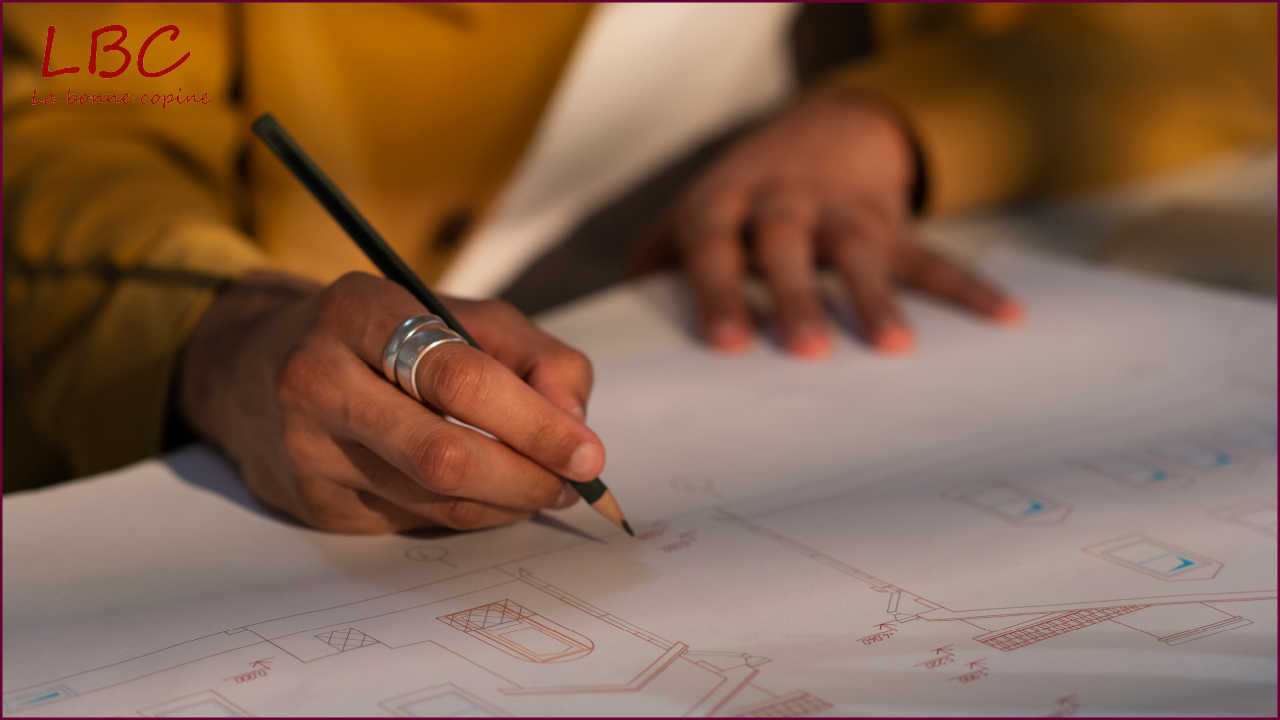
Imagine a blank sheet, strokes hinting ideas.
The architectural gesture — that primal link between human instinct and tangible form — sits at the birth of every design, bridging intuition and materiality before a single line is drawn.
Architecture is a discipline built on centuries of history and evolution. Yet before digital tools took over, architects first sketched by hand. Every stroke, every hand movement on paper, was not just a technical act but also an expression of the architect’s soul and ideas. Long before 3D models took shape, it was the manual gesture that shaped ideas and laid the groundwork for the building. How do these gestures influence architectural thought? What share of mystery and creativity hides in these invisible actions, often erased by modern digital tools? discover the power of invisible magnetism This article dives into the world of the architectural gesture, from its symbolic role to its transformation in the digital age.
The Architectural Gesture: Origins and Meaning
The term « architectural gesture » refers to the hand movement that sketches the first ideas, those initial traces in space that will give birth to a structure. A gesture is far more than a simple drawing. It embodies the architect’s creative intention, the logic behind the building, as well as their emotions and aspirations. Each line reflects a hidden meaning, a vision of the world and the site where the architecture will rise.
Historically, this gesture became the essential condition of architecture. As Le Corbusier asserted, an architect must « draw the project before even thinking it ». This ancestral practice rests on the idea that a drawing, whether rough or detailed, remains a powerful vehicle of intuition and spatial understanding. Without these first gestures, architectural thought would lack materialization. For example, the National Assembly Palace designed by Le Corbusier reveals in its plans a true aesthetic and functional quest.
Hand Drawing: An Extension of Thought
Hand drawing is far more than a technical tool: it is a extension of thought. It allows the architect to link cognitive reflection to manual action. Through each traced line, architectural thought organizes, structures, and projects itself into space. Moreover, there are undeniable cognitive benefits to drawing by hand. It enhances visual memory and manual coordination, essential skills for any architect, as these abilities facilitate three‑dimensional visualization.
The great masters of architecture — such as Le Corbusier, Frank Gehry, and Zaha Hadid — all used sketching as a natural extension of their imagination. The sketch becomes an intimate tool, a way to grasp the essence of a place, to feel its volumes and light before materials are chosen. Take the Guggenheim Museum Bilbao, a Gehry work that came to life thanks to quick yet daring sketches, giving form to a project that is both organic and functional. Thus the sketch is far more than a preliminary step; it is an act of creation in itself.
Hidden Gestures and the Creative Process
Architecture is not limited to the final appearance of a building. The hidden gestures, invisible after construction, play a decisive role in the creative process. These gestures that precede the project’s materialization are both intuitive and analytical. First, the architect lets intuitive thought guide them, sensations felt on site. Then these initial sketches evolve, transforming under the effect of critical reflection. It is this dialogue between intuition and reasoning that allows new forms to emerge.
Thus, the architect’s creative process can be broken down into several stages: from idea to hypothesis, from hypothesis to form, and finally from form to the built project. These gestures, which disappear once the building is completed into the building’s rigid appearance, are essential. What is no longer visible continues to shape the architect’s work. The invisible gestures, the intuitions that guided architectural decisions, remain, imprinting the structure with its deep meaning.
The Gesture in the Digital Age: Evolution or Continuity?
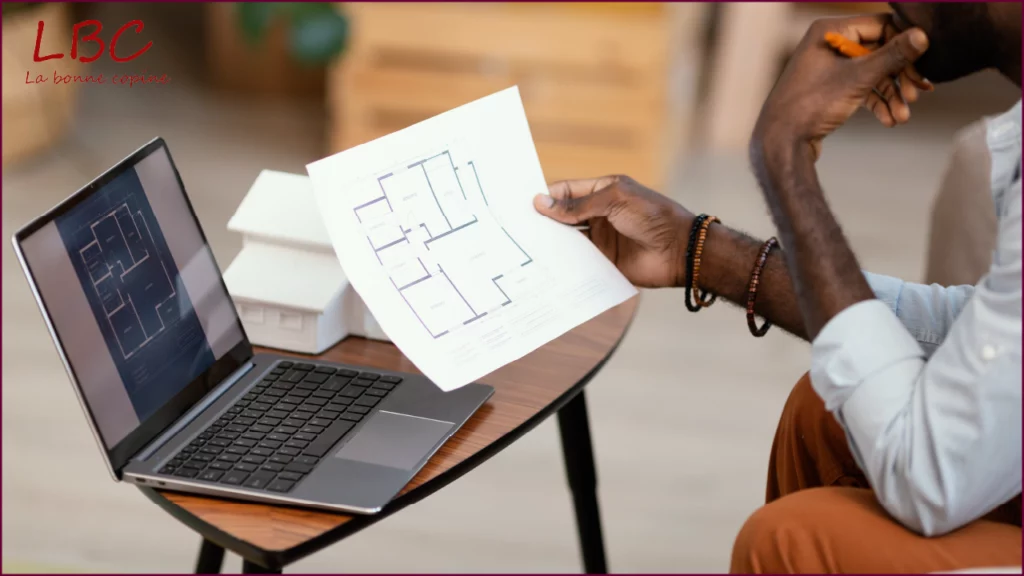
The digital age has undeniably transformed the architectural gesture. Digital tools such as computer‑aided drafting (CAD), 3D modeling, and CAO software (computer‑aided design) have enabled a technical revolution in how architecture is conceived. Manual gestures seem relegated to the background, replaced by ever‑more complex digital interfaces.
However, this evolution does not signal the disappearance of the manual gesture. On the contrary, contemporary architects seek to reconcile these two worlds. While digital tools offer incredible precision and rapid production, they do not replace the creative intuition that only the hand can guide. Digital tools and traditional methods are now complementary, each bringing its richness to architectural creation. The manual gesture is preserved as a form of resistance, a human anchor against the cold efficiency of digital tools.
Signature Gestures in Iconic Architecture
Some architectural projects bear the gestures of their creator as a unique signature. Frank Gehry’s Bilbao Guggenheim is the very example of gestural architecture: a form that seems to spring spontaneously from the ground, with organic, daring curves. This architecture gave rise to the Bilbao effect, a phenomenon where architecture becomes a cultural symbol and a tourist attraction. Yet these spectacular gestures are not without criticism. They are sometimes seen as ostentatious and disconnected from the site’s real needs.
Yet the architectural gesture is not limited to landmark projects. In more modest works, architecture can also reflect subtle gestures, equally important. In projects such as Rio’s City of Music or the social housing by Hamonic & Masson, creativity becomes more discreet, yet always profound. These gestures, at their scale, give full richness to everyday architecture.
Conclusion
The architectural gesture, visible or hidden, is a creative force, a vehicle of the architect’s intention. It links intuition to reflection, the individual to the collective, emotion to rationality. In an era where digital seems to dominate, it is crucial to preserve this manual practice, for it anchors architecture in human, sensible reality. learn how to strengthen creative intuition The act of drawing, of grasping reality through the hand, is a timeless gesture, a thread connecting the creator’s mind to the surrounding world. In the age of the digital revolution, how can we preserve this original link between thought and hand in the training of architects? An essential question for the future of architecture.