
Conscious Commitment: Transforming How You Stay True

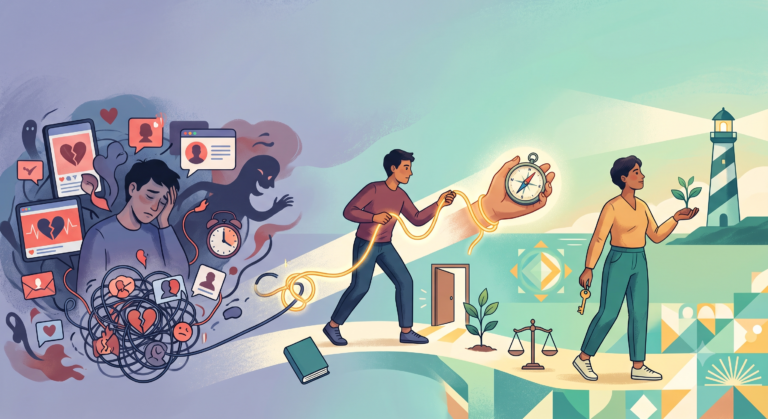
Ever feel like you’re looping through the same old habits instead of making real choices? Maybe some of your relationships feel surface‑level, lacking depth or authenticity. In a world that moves faster every day, the way we stay committed has never mattered more. What if true loyalty isn’t a social convention or a routine, but a conscious, regularly renewed decision?
Conscious commitment is a game‑changing approach to every kind of bond—personal, professional, romantic, or platonic. It pushes you beyond mere consistency, inviting an active, thoughtful, values‑aligned engagement. In this article we’ll unpack the psychology behind it, explore practical habits, and show how to nurture more authentic, fulfilling relationships every day.
Why Conscious Commitment Beats Routine
Understanding conscious commitment is the first step toward living it.
What It Is and What It Isn’t
Conscious commitment is a deliberately chosen, regularly refreshed pledge rooted in clear awareness of your values, needs, and deeper motivations. Unlike passive loyalty—driven by habit, fear of change, or social pressure—this is an intentional act of authenticity.
Key traits:
- It’s chosen, not imposed
- It’s thoughtful and regularly reassessed
- It aligns with your core values
- It requires mindful presence in the relationship
- It’s dynamic, evolving with time and context
Conscious commitment doesn’t mean blind loyalty at any cost. It means making clear, informed choices about when, where, and how you invest, always in line with your personal integrity.
Notice how many of your current commitments feel automatic versus truly chosen. Which areas of your life showcase genuine, values‑driven commitment?
The Psychological Layers of Thoughtful Engagement
Four interwoven dimensions support conscious commitment:
Cognitive: A clear, rational look at the pros and cons of a pledge, regularly checking that motivations still fit.
Emotional: Authentic feelings—real attachment rather than rote affection—fuel lasting devotion.
Social: Stepping back from cultural expectations to see what truly resonates with your inner self.
Behavioral: Concrete, consistent actions that embody the promise, not just words.
🔍Self‑Observation Exercise: Pick a key relationship. Rate it on each dimension—cognitive clarity? Emotional authenticity? Social pressure? Behavioral alignment?
The Pillars of Conscious Commitment

These foundational pillars create fertile ground where authentic engagement can flourish.
Authenticity & Transparency
Being genuine with yourself and others is the cornerstone of conscious commitment. It means owning your intentions, limits, and feelings, then sharing that truth responsibly.
Transparency isn’t impulsive; it’s communicating with integrity, taking responsibility for your emotions without projecting them onto someone else. Research shows couples and teams that practice authentic communication build stronger trust and navigate rough patches more smoothly.
Vulnerability, as Brené Brown explains, paradoxically deepens connection—sharing doubts, fears, and hopes creates true intimacy.
learn more about truth in relationships
When do you feel safe enough to be fully yourself with someone? What conditions nurture that safety?
Consistency & Reliability
When words, values, and actions align, you become a reliable partner—a reputation of integrity that solidifies bonds.
Reliability isn’t rigidity; it’s steady principles that adapt wisely to life’s shifts. A dependable person changes, but the logic behind the change stays clear.
This consistency builds emotional safety, allowing deeper investment and confidence in the relationship.
“Trust isn’t built in a day; it’s shattered in an instant. Consistent alignment of words and deeds builds that trust day after day.”
Active Listening & Empathy
Active listening means more than hearing words—it’s full, present attention to the other person’s experience.
Practice:
- Give undivided attention, no interruptions
- Read body language and underlying emotions
- Ask open‑ended questions
- Paraphrase to confirm understanding
- Suspend judgment and premature solutions
When truly heard, our brains release oxytocin, strengthening the bond.
🔍 Practical Exercise: In your next important conversation, listen without planning a reply. After they finish, restate what you heard. Notice how the connection shifts.
Living the Conscious Commitment Daily
Conscious commitment is a daily practice, not a one‑off achievement.
Self‑Awareness & Clear Intentions
Deep self‑knowledge is the foundation. Regularly ask yourself:
- Why am I invested in this relationship?
- Does it reflect my deepest values?
- What do I give and receive?
- How does it support my growth and others’?
Mindfulness sharpens this awareness, helping you spot motivations and relational patterns without judgment.
Take a moment each day to align actions with core values. Small checks create big transformation.
Concrete Actions to Nurture Commitment
Consistent, authentic communication keeps the connection alive. Schedule regular check‑ins—whether casual daily chats or structured quarterly reviews.
Shared rituals—weekly family dinners, monthly friend outings, annual team retreats—weave a common story and reinforce belonging.
Frequent recognition—simple thank‑you notes, verbal appreciation—boosts mutual value and motivation.
see how gratitude can transform relationships
Maintain curiosity about the other person’s evolution; avoid freezing them in a past image.
Turning Challenges Into Growth
All meaningful commitments encounter conflict. Approach it with clarity and compassion:
- Address issues quickly, don’t let them fester
- Focus on specific behaviors, not character flaws
- Express feelings without blame
- Seek win‑win solutions
break routine and rekindle your spark
These constructive clashes build relational resilience. Remember, staying loyal doesn’t mean staying in toxic situations; sometimes the most faithful act is to end a partnership with grace.
What challenges have shaped your most important bonds? How did they deepen your conscious commitment?
Transformative Benefits of Conscious Commitment

When you cultivate conscious commitment, the payoff reverberates through every facet of life.
More Authentic, Fulfilling Relationships
These bonds are genuine and liberating—free from unexamined expectations and automatic obligations.
Transparent communication creates an emotional safety net where each person can be fully seen.
Mutual trust blossoms because each party chooses, day after day, to stay engaged.
Complicity—those effortless, unspoken understandings—adds a rich layer of daily joy.
Such relationships tend to last, adapting gracefully to life’s inevitable changes.
Personal Growth & Integrity
Choosing thoughtfully sharpens self‑knowledge and aligns actions with core principles, reducing internal stress and freeing energy for other pursuits.
This practice builds emotional maturity, allowing you to handle tough feelings, set healthy boundaries, and communicate clearly.
Regular re‑evaluation hones introspection and emotional intelligence, helping you spot growth‑promoting commitments versus limiting ones.
Positive Ripple Effects at Work & Community
Conscious commitment reshapes workplace culture—teams become more creative, resilient, and purpose‑driven.
Communities built on intentional engagement enjoy stronger cohesion and constructive conflict resolution.
Your authentic approach inspires others, creating a virtuous cycle of genuine connection.
🔍 Reflective Question: How does the quality of your personal commitments influence the vibe at work or home? Notice any positive or negative ripple effects.
Further Exploration
Expert Perspectives
“Conscious commitment isn’t just staying; it’s choosing to stay each day, fully aware of alternatives and the unique value of the relationship.” — Dr. Esther Perel, psychotherapist and relationship expert
“True engagement begins when we see the other not as a fix for our lack, but as a partner in our growth. It becomes a free, renewed choice rather than emotional dependency.” — Dr. John Gottman, marriage research pioneer
“Transparency is the oxygen of relationships— invisible yet essential. Without it, commitment slowly suffocates.” — Brené Brown, researcher on vulnerability
Additional Resources
- “The 5 Love Languages” by Gary Chapman – Learn how people express and receive commitment, and tailor your conscious commitment accordingly.
- “The Seven Principles for Making Marriage Work” by John Gottman – Practical tools for enduring, conscious partnership.
- Podcast “Where Should We Begin?” with Esther Perel – Real therapy sessions that illuminate authentic engagement.
- App “Gottman Card Decks” – Free prompts and exercises to deepen mutual understanding.
- “The Art of Authentic Conversation” by Judith Glaser – Guides you to transparent, genuine communication.
Advanced Practices
- Bi‑annual Relationship Inventory – Solo or with partners, assess what works, what could improve, and how you’re evolving together.
- Relationship Gratitude Journal – Note daily what you appreciate about each key person; this fuels recognition and connection.
- Constructive Dialogue Technique – (1) Share experiences without blame, (2) Mirror the other’s view, (3) Co‑create solutions that honor both needs.
- Conscious Relational Contracts – Create clear, compassionate agreements on expectations, boundaries, and mutual commitments; revisit them as the relationship grows.
“The deepest commitment isn’t to the other, but to the integrity you bring into the relationship with them.”
Roger Mehl
Conclusion

Conscious commitment transforms how we relate, urging us to move beyond automatic patterns toward a deliberately chosen, values‑aligned loyalty. By fostering authenticity, consistency, and empathetic listening, we create conditions for growth rather than limitation.
This isn’t a promise of drama‑free relationships, but a toolkit for navigating challenges constructively, turning obstacles into opportunities for deeper connection. Conscious commitment is a daily practice—a renewed choice each morning.
The rewards are multidimensional: richer, more satisfying bonds; ongoing personal development; and a positive ripple effect on workplaces and communities. By embracing thoughtful engagement, we enhance our own wellbeing and help shape a healthier relational culture for everyone.
Which commitment in your life could use a more conscious approach? What first step can you take today to nurture this active, transformative loyalty?
Related Questions:
- How do you differentiate conscious commitment from habit‑driven loyalty?
- What are the most effective practices for maintaining transparency in long‑term relationships?
- How can active listening upgrade the quality of your professional engagements?
- What role does vulnerability play in building authentic commitment?
- How do you balance staying true to yourself with staying true to others when values clash?