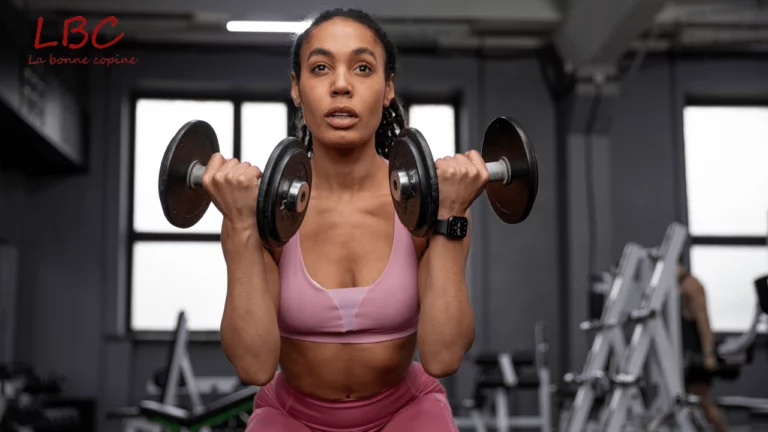
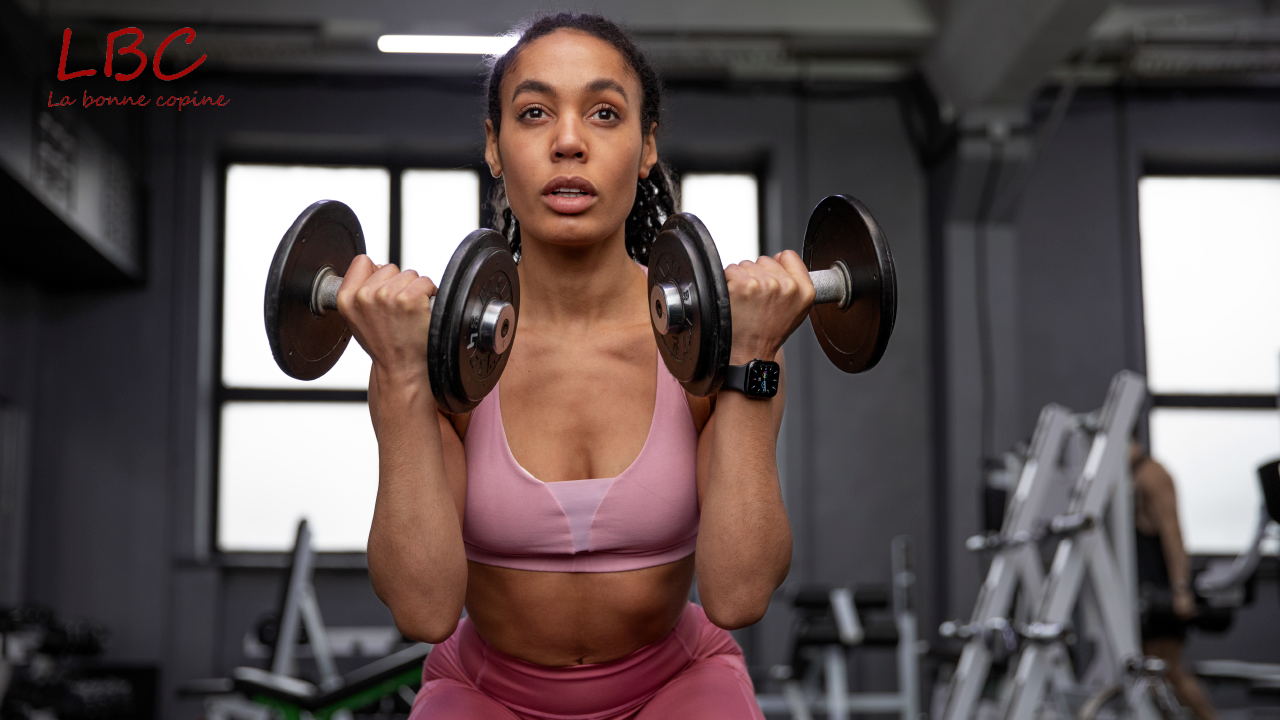
Why Strength Training Is a Game‑Changer for Every Woman

Think weightlifting is only for bodybuilders? Think again. Whether you’re brand new, hitting the gym a few times a week, or a seasoned fitness enthusiast, strength training can reshape your body and boost your confidence. learn how to set tailored fitness goals.
In this guide we’ll reveal why strength training benefits everyone, how to tailor a program to your level, and tips for making it a habit that delivers lasting results.
What Makes Strength Training Ideal for Women?
Forget the myth that lifting weights is only for elite athletes. It’s an accessible practice that works for any woman, no matter the goal. Here are the top perks of strength training.
First, it builds overall muscle tone. Working all major muscle groups creates a lean, harmonious silhouette and improves posture, easing back and lower‑back pain.
Second, it revs up your metabolism. More muscle means you burn more calories at rest, helping you manage weight and dodge the yo‑yo effect. Strong muscles also cushion your joints, lowering injury risk during workouts and everyday activities.
Mentally, strength training releases endorphins—the feel‑good hormones—boosting mood, confidence, and stress resilience. It also helps ward off age‑related issues like bone‑density loss and declining physical capacity.
Tailored Programs for Every Fitness Level
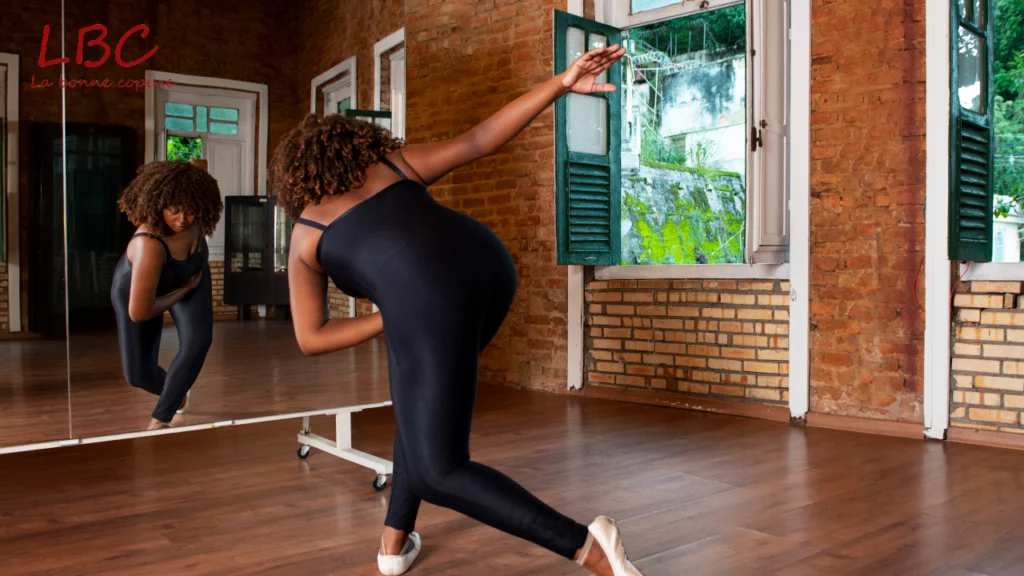
Beginners: Laying the Foundations
When you’re just starting, focus on mastering technique and building a solid base. Stick to simple, multi‑joint moves that engage several muscle groups at once, reducing injury risk.
A beginner routine should rely on body‑weight exercises and light loads, with moderate reps (12‑15 per set) and strict form.
Example: a full‑body workout 2‑3 times a week—squats, modified push‑ups, lunges, core work, and assisted pull‑downs. Aim for three sets of 10‑12 reps, resting 30‑60 seconds between sets.
Intermediate: Smart Progression
Once the basics feel comfortable, gradually increase weight and introduce variety. Split your training across several days, targeting specific muscle groups.
At this stage you can add dumbbells, barbells, or machines if a gym is available. A typical split might look like:
- Day 1: Chest / Triceps
- Day 2: Back / Biceps
- Day 3: Legs (quads, hamstrings, calves)
- Day 4: Shoulders / Core
Perform three sets of 8‑10 reps with slightly heavier loads than in the beginner phase.
Advanced: Sculpt, Hypertrophy, Performance
Experienced lifters can chase muscle hypertrophy—building size and definition. Push intensity with supersets (two exercises back‑to‑back) and dropsets (reduce weight as fatigue sets in).
Sample advanced schedule:
- Monday: Back / Biceps
- Tuesday: Legs (quads, hamstrings, calves)
- Wednesday: Rest
- Thursday: Chest / Triceps
- Friday: Shoulders / Traps / Core
- Saturday: Light cardio or stretch
Sessions are longer, heavier, and performed 4‑5 times a week with targeted movements for each muscle group.
Pro Tips to Keep Growing and Avoid Common Mistakes
Start every session with a proper warm‑up—5‑10 minutes of light cardio and joint mobility drills to prep your body.
Finish with stretching to boost flexibility, reduce soreness, and enhance circulation for faster recovery.
Progression should be slow and steady. Increase weight and volume gradually; never sacrifice form for heavier loads. discover mindfulness techniques for stress.
Nutrition matters. Ensure you’re getting enough protein to repair muscle, alongside complex carbs and healthy fats for balanced energy.
Lastly, prioritize sleep and hydration. Quality rest fuels recovery, while staying hydrated prevents muscle fatigue and supports performance.
Making Strength Training Part of Your Everyday Life
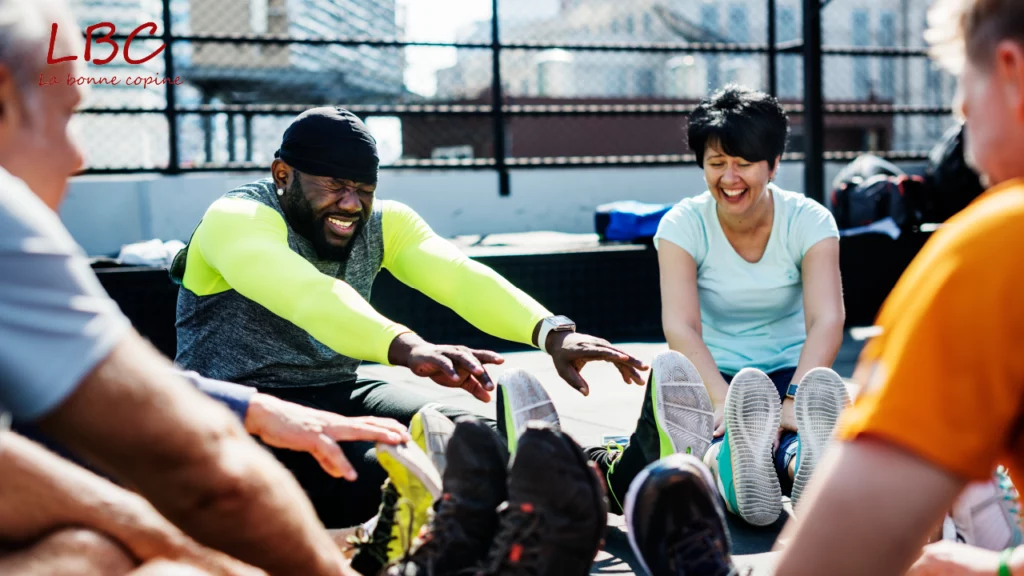
You don’t need endless hours at the gym to see results. Fit strength training into a busy schedule with short home sessions using body weight, dumbbells, or resistance bands. Apps like Nike Training Club or Freeletics offer free and premium programs for every level and goal.
Gym‑goers can also benefit from a personal trainer who tailors workouts and ensures proper technique. Choose equipment that matches your comfort and space.
The key is consistency. Even 20‑30 minutes, two to three times a week, delivers visible progress—provided you respect gradual overload and recovery.
Conclusion
Strength training is a powerful tool to transform your body and elevate your quality of life, no matter where you start. Whether you’re a beginner looking to tone, an intermediate aiming to level up, or an advanced athlete sculpting every muscle, strength training adapts to your needs.
Follow a suitable program, stick to safety basics, and stay regular. You’ll gain firmer muscles, broader well‑being, and a boost in self‑confidence. learn about graceful aging with strength. So stop waiting—grab those dumbbells and unleash your full potential!