
Master Effective Communication at Work: Simple Tips to Speak Clearly and Impactfully

Ever felt your words get lost in the office buzz? learn how mindfulness reduces stress Let’s cut through the noise and make every conversation count. Mastering effective communication not only prevents misunderstandings—it boosts teamwork, productivity, and creates a healthier workplace vibe.
What Does Everyday Effective Communication Really Mean?
Effective communication at work isn’t just about delivering information; it’s about how you deliver it. Clarity, brevity, relevance, and respect are the pillars. It also demands active listening and the flexibility to tailor your message to the listener’s needs and the situation.
Why Great Communication Fuels Team Cohesion, Productivity, and Office Mood
When you nail communication, your team thrives. It helps you:
- Boost collaboration: Clear messages cut down on confusion and spark smoother teamwork.
- Raise productivity: Concise, well‑structured exchanges save time and streamline group effort.
- Keep morale high: When colleagues truly understand and respect each other, the office feels brighter and motivation soars.
Building the Foundations of Effective Communication

A. The 7 C’s of Clear Communication
Boost your message with the timeless 7 C’s—simple, powerful principles for both spoken and written interactions.
- Clarity: Use straightforward sentences that leave no room for doubt.
- Conciseness: Get to the point quickly, avoiding needless details.
- Concrete: Back up statements with real examples and facts.
- Correctness: Choose the right words and polish your grammar.
- Coherence: Organize thoughts logically for a smooth flow.
- Completeness: Provide all needed information so questions don’t linger.
- Courtesy: Show respect and politeness in every exchange.
B. Different Communication Channels Explained
Not every situation calls for the same mode of communication. Pick the right one:
- Verbal: Spoken words, tone, and articulation.
- Non‑verbal: Posture, gestures, and eye contact—these signal more than half of what we convey.
- Written: Emails, notes, and chat messages need to be clear, structured, and well‑crafted.
Tips to Sharpen Your Verbal Communication
A. Think Before You Speak
Pause, gather your thoughts, then respond. explore strategies for personal success A brief silence helps you speak with purpose and avoids regretful slips.
B. Use Simple, Audience‑Fit Language
Ditch unnecessary jargon. Match your vocabulary to the listeners—whether it’s a team meeting or a presentation to senior leadership.
C. Master Voice and Tone
Vary your intonation to keep listeners engaged and avoid monotony. Align your tone with the message and context.
D. Ask the Right Questions
Open‑ended questions spark dialogue and deepen understanding. Use closed questions when you need precise confirmations.
Polishing Non‑Verbal Communication
A. Harness Body Language
Your posture, eye contact, and gestures reinforce—or contradict—your words. Stay open, maintain genuine eye contact, and use measured gestures.
B. Align Signals with Speech
If you say you’re available but cross your arms or avoid eye contact, the message becomes mixed. Consistency builds trust.
Developing Active Listening Skills
A. Active Listening Techniques
Fully focus on the speaker, paraphrase to confirm understanding, and show empathy. This transforms ordinary chats into powerful exchanges.
B. Eliminate Distractions
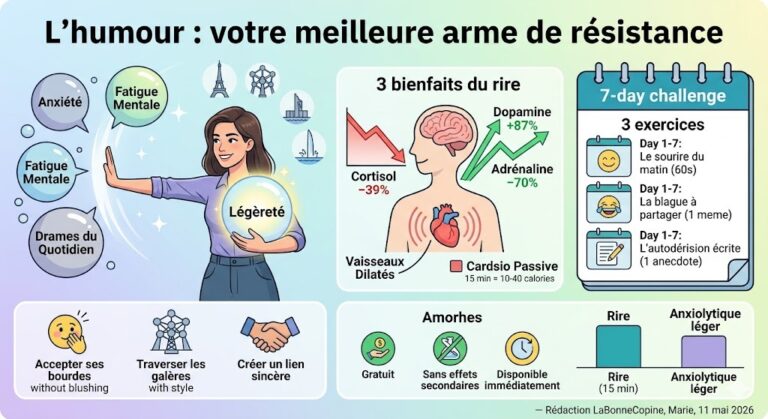
Put away phones and laptops when someone is speaking. Your undivided attention says you truly value their input. read about the power of laughter at work
Tailoring Communication for the Professional Setting

A. Choose the Right Channel and Timing
Match the message to the medium. Some topics are best discussed face‑to‑face, while others fit an email. Also, pick the optimal moment to bring up sensitive subjects.
B. Structure Written Messages
When drafting emails or reports, organize content with clear headings, bullet points, and concise paragraphs. A quick proofread catches errors and reinforces relevance.
Real‑World Examples & Best Practices
A. Scenario Walk‑Through
Picture a colleague presenting a project. A vague pitch loses audience interest; a clear, example‑rich presentation captures attention and drives action.
B. Practical Checklist
Before any important communication—oral or written—ask yourself:
- Is my message clear and specific?
- Did I pick the best channel for this audience?
- Have I considered the context and the listener’s perspective?
Conclusion
Communicating better every day takes practice, attention, and flexibility. By applying the 7 C’s of effective communication and honing both verbal and non‑verbal techniques, you’ll elevate the quality of your interactions and foster a more harmonious, productive workplace. Remember, effective communication is a muscle—you strengthen it with consistent effort and feedback.
Practice regularly, self‑evaluate, and invite constructive feedback to keep improving.