The Baron de Itararé: How Humor Challenges Authority

Ever laughed at a joke shaking power?
In a world where arrogance often wears a crown, one Brazilian wit used satire to expose the foolishness of those in charge, turning laughter into a quiet rebellion that demonstrates humor as resistance.
The Baron de Itararé: Master of Satire
Born on January 29, 1895 in Rio Grande, Apparício Fernando de Birkenhoff Torelly adopted the pen name Baron de Itararé and became a towering figure in Brazilian journalism and humor.
After abandoning medical studies, he moved to Rio de Janeiro in 1925 and wrote for papers like O Globo and A Manhã before launching his own satirical journal in 1926, where he freely mocked politicians and social injustices.
His daring criticism even landed him in jail in 1935 due to his ties with the Brazilian Communist Party, proving that his wit was not just playful but politically dangerous.
The title “Baron de Itararé” itself was a tongue‑in‑cheek nod to a fictitious battle during the 1930 Revolution, symbolizing his refusal to bow to established authority.
Humor as Resistance: The Baron’s Core Message
For the Baron, humor was never mere entertainment; it was a weapon used to unsettle the powerful and provoke critical thought.
He wielded irony like a scalpel, cutting through pretension and revealing the absurdity of authoritarian gestures.
Through his columns, cartoons, and poems, he invited readers to laugh while questioning the status quo, showing that a well‑placed joke can erode unjust hierarchies.
This approach turned his work into a lasting example of humor as resistance, inspiring countless activists and artists who followed.
The Anecdote: Professor, Student, and Wit
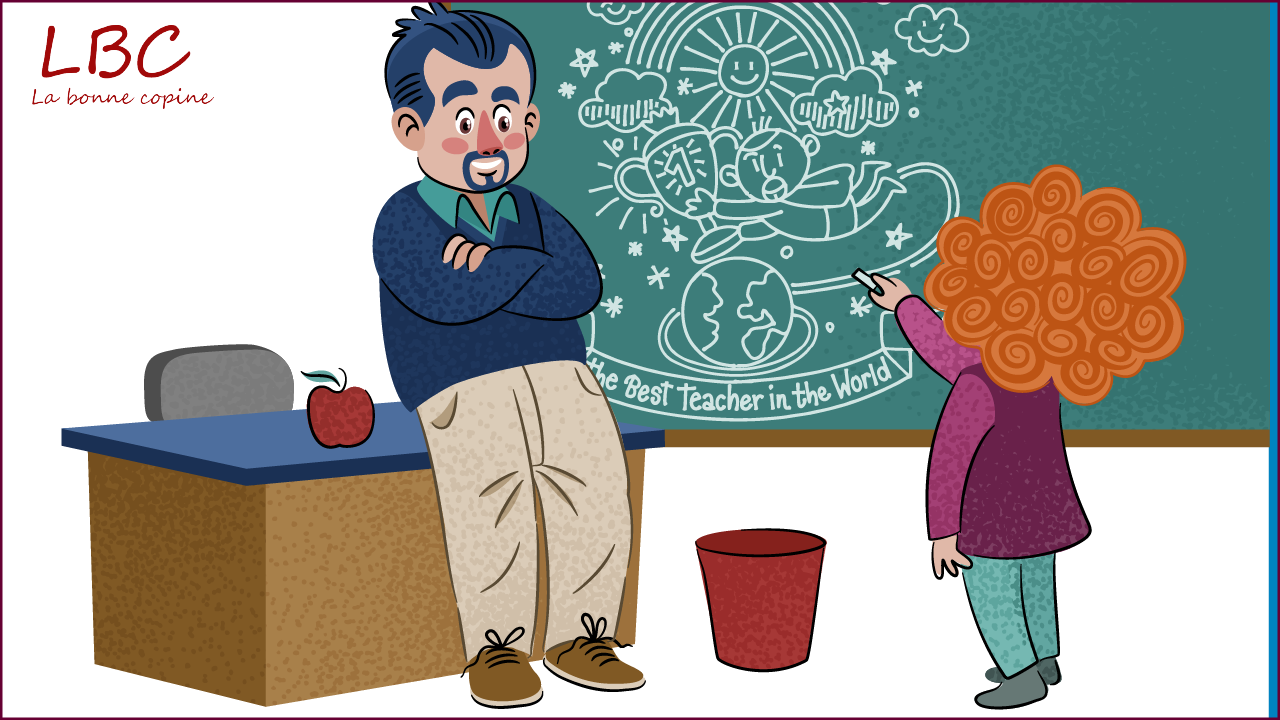
Picture a classroom where an overconfident professor faces a bold student.
The professor, convinced of his superiority, remarks that reality is too complex to be solved by words alone.
The student replies, “Oh, professor, if you allow me, I believe everything is settled by words, and sometimes they are the only tools to change reality.”
That quick retort, wrapped in humor, disarms the professor’s arrogance and highlights the power of dialogue.
Analysis: The exchange shows how a clever joke can transform a tense confrontation into a moment of truth, proving that wit can both amuse and educate.
The Legacy of Baron de Itararé
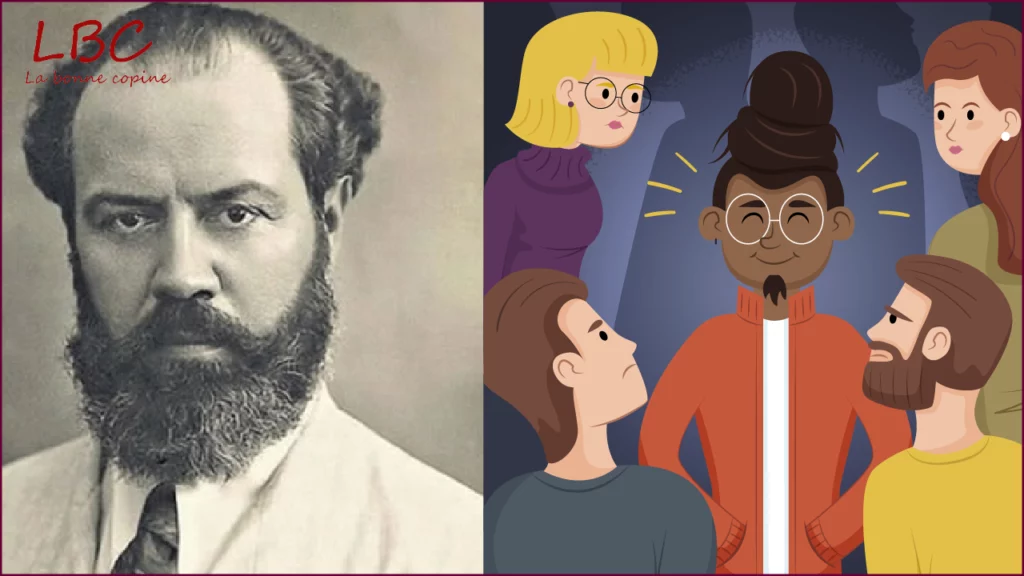
His influence stretches far beyond the articles he wrote; generations of satirists, journalists, and everyday citizens continue to draw inspiration from his fearless style.
Modern memes, viral jokes, and online satire echo his method of using laughter to question authority, especially when elites appear distant or arrogant.
In moments of crisis, humor remains an effective way to shift power balances and encourage collective awareness, proving that the Baron’s lesson is still alive.
Call to Action
Embrace the power of humor in your own life.
Use it wisely to challenge injustice, break down social barriers, and open honest dialogue.
By speaking with respect and creativity, you can entertain while also helping to reshape society for the better.