
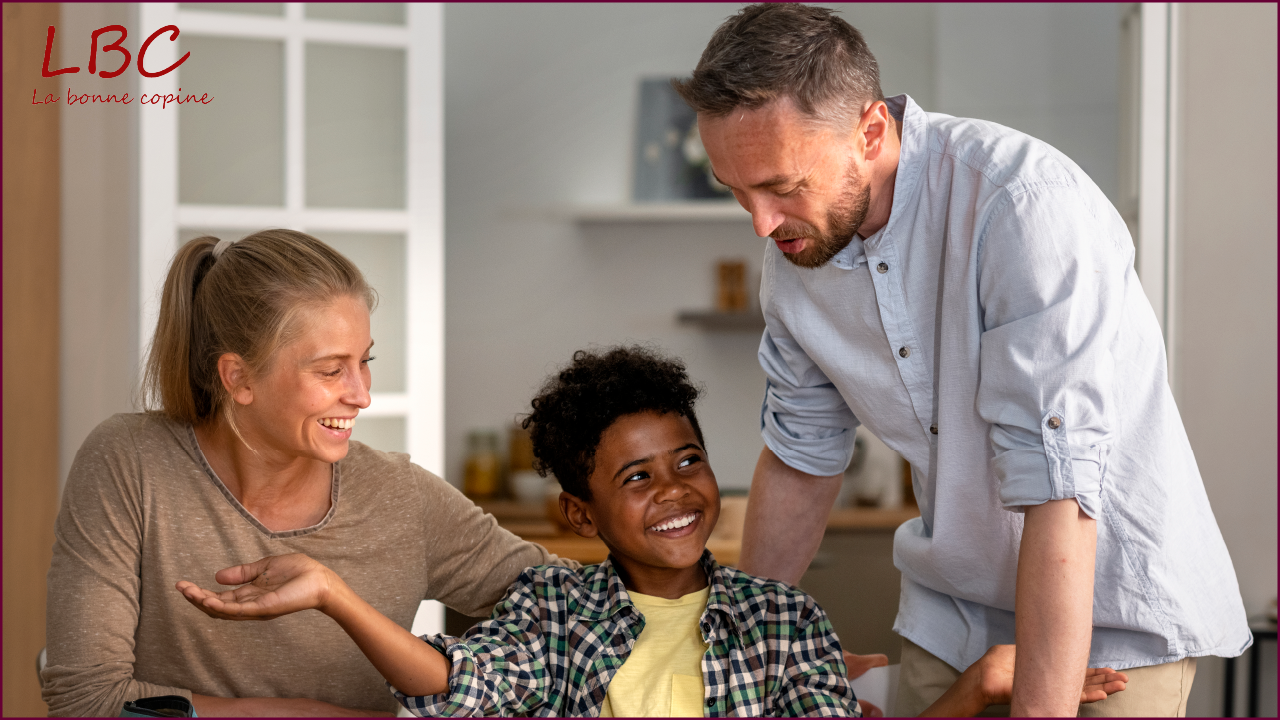
The Power of Family Dialogue: Building Stronger Bonds

Imagine a family dinner where family communication flows freely. When we nurture honest dialogue each day, trust deepens, misunderstandings fade, and the home becomes a sanctuary of peace, respect, and lasting connection, and creates a foundation where love can thrive even amid life’s inevitable challenges.
«Communication is the key to any successful relationship.»
Stephen R. Covey
Why Family Communication Matters for Strong Bonds
The dialogue lies at the heart of family relationships, because it helps maintain solid, harmonious bonds among family members. An open communication that is respectful—whether verbal, non‑verbal, or written—is essential for each person’s well‑being, whether they are parents, children, or other close relatives. Effective dialogue prevents misunderstandings, resolves conflicts, and strengthens mutual trust. However, obstacles such as lack of time, differing opinions, or communication problems can hinder these exchanges. In this article we will explore the importance of family dialogue, its benefits for family harmony, and the various obstacles that can disrupt communication. We will also share practical strategies to improve listening, foster empathy, and strengthen family bonds through smoother, more sincere dialogue.
Types of Communication in Family Relationships
- Verbal communication: The exchange of words, whether face‑to‑face or over the phone. Direct conversations let us discuss any topic—from household chores to children’s studies or major family decisions.
- Non‑verbal communication: Gestures, facial expressions, body language, and even tone of voice carry as much weight as the words themselves. Sometimes a single look or gesture says more than a long speech.
- Written communication: In certain situations, writing becomes a useful way to share information or feelings. This can include text messages, letters, or notes left in visible spots.
Benefits of Family Dialogue
- Stronger family bonds
Dialogue builds trust within the family. When members speak openly, they develop mutual understanding and respect, which tightens the bond. Children learn to express themselves and respect others’ opinions while feeling heard and supported. - Conflict resolution
Conflicts are inevitable in any family. Yet dialogue turns disagreements into constructive conversations. Instead of ignoring or letting tension build, good communication clears up misunderstandings and finds peaceful solutions. This keeps the home serene and prevents lingering frustration. - Improved emotional well‑being
Families that communicate well create an environment where every member feels heard and respected. This lowers stress and nurtures a sense of emotional security. - Children’s communication skills
Kids raised in a dialogue‑friendly home develop strong social abilities. They learn to listen, articulate their needs, and solve problems effectively, preparing them for relationships outside the household. This aligns with research on how family shapes self-esteem from childhood.
Obstacles to Family Dialogue
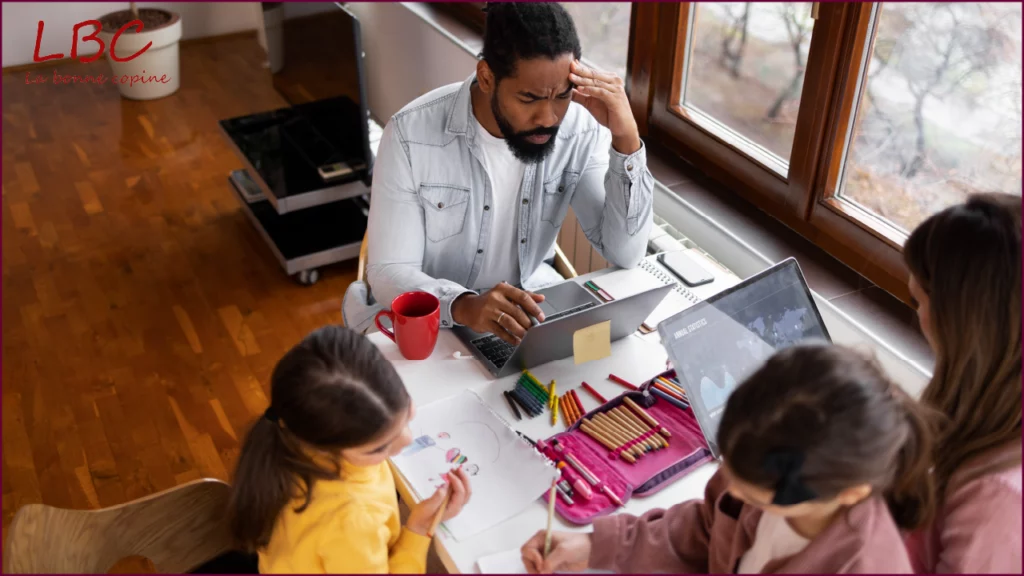
Unfortunately, several obstacles can hinder smooth, open communication within families.
- Generational or cultural differences
Older generations may hold expectations and values that differ from those of the young. If dialogue isn’t managed well, this can lead to misunderstandings and conflict. - Lack of time or daily stress
Busy schedules and everyday worries limit chances to talk together. Work‑related stress, school pressures, or household responsibilities can also weaken the quality of exchanges. - Missing active listening and quick judgments
Sometimes family members fail to truly hear each other or jump to conclusions too fast. This lack of active listening blocks genuine communication and can worsen disagreements.
Strategies to Improve Family Dialogue
- Practice active listening
It is essential to fully hear what the other person has to say without interrupting or judging. This means paying attention to their emotions, needs, and concerns. Attentive listening lets us grasp each viewpoint and respond appropriately. - Encourage openness and honesty
Create a safe space where every family member feels free to speak without fear of repercussions. Encouraging honesty and openness leads to more sincere and constructive exchanges. - Use positive language
Word choice plays a crucial role in communication. Instead of absolute terms like “always” or “never,” frame criticism constructively, focusing on specific facts rather than broad judgments. The triple filter test for ethical communication offers a practical framework for this. - Set aside dedicated family discussion time
Plan moments when the whole family can gather to talk—whether during meals, outings, or shared activities. These regular check‑ins keep dialogue flowing and let us address issues as they arise.
Impact of Dialogue on Family Culture

Family dialogue builds a culture rooted in respect, understanding, and cooperation. When family members communicate well, the sense of belonging and solidarity grows. Each individual feels valued and supported, enabling the family to tackle challenges together and strengthen its bonds. This cultural transmission mirrors the role of family traditions across generations.
Conclusion
In conclusion, there is no doubt that dialogue plays a fundamental role in successful family relationships. Open, honest, and respectful communication strengthens bonds, resolves conflicts, and improves the emotional well‑being of every member.
To keep family harmony alive, invest in effective dialogue and overcome the obstacles that can block family communication. As a family, take time to talk. Listen actively, stay open, and use positive strategies to reinforce your communication. The more you invest in this dynamic, the more you will reap in understanding and peace.