The Invisible Ally of Your Professional Success

“Vulnerability is not weakness, it’s our greatest measure of courage.”
Brené Brown
What if success hinged on a hormone?
Discover how oxytocin entrepreneurial resilience fuels your ability to bounce back, build trust, and persevere through the toughest challenges of building a business. discover strategies for inner greatness
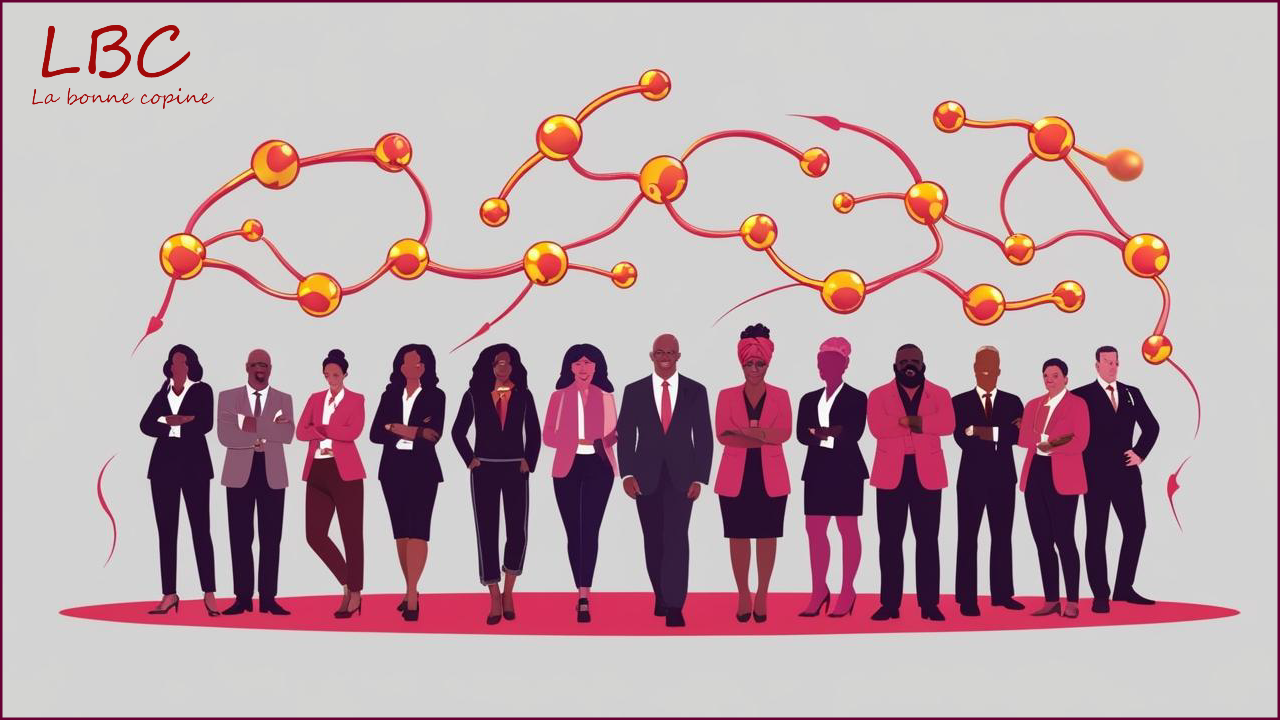
In the often ruthless world of entrepreneurship, we hear a lot about strategy, numbers, and goals. But what about these invisible forces that keep us standing in adversity? Among them, oxytocin holds an unsuspected yet essential place.
Research in entrepreneurial neuroscience shows that our ability to bounce back from failure doesn’t rely solely on determination or intelligence. It is deeply rooted in our brain chemistry, where oxytocin plays a central role. Often reduced to its function in childbirth or romantic relationships, this hormone proves to be a decisive factor in our capacity to weather professional storms.
Let’s explore how this molecule shapes our resilience and how you can consciously activate it to strengthen your entrepreneurial journey.
The Hidden Superpowers of Oxytocin
Your Natural Stress Shield
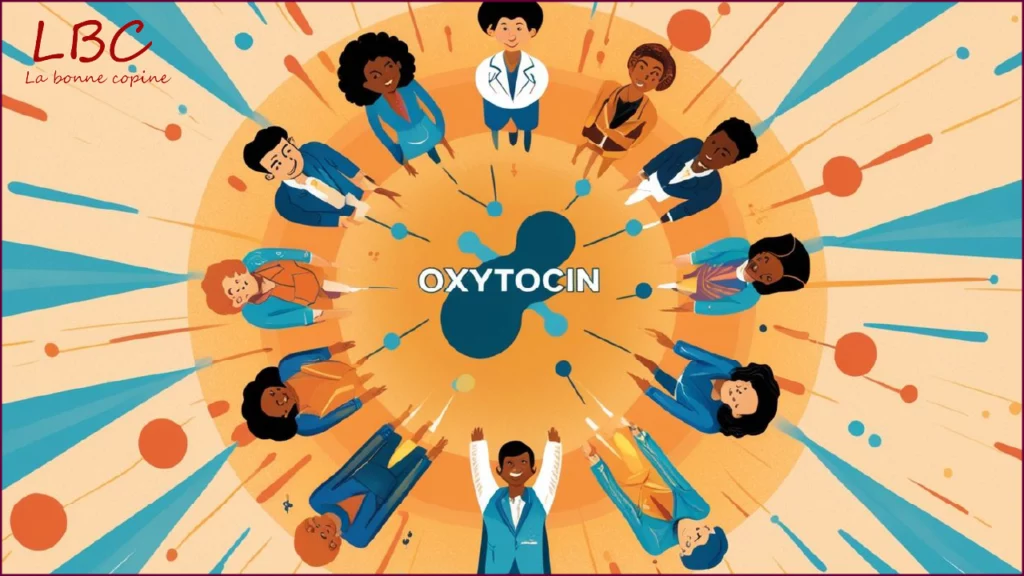
Oxytocin is far more than just the “love hormone” you often hear about. Affective neuroscience studies show it acts as a powerful regulator of our stress response.
The Neurobiological Mechanism: When released into our system, oxytocin significantly reduces amygdala activity—the brain region responsible for fear reactions. At the same time, it cuts cortisol production, the stress hormone, creating a genuine protective shield against the harmful effects of chronic anxiety.
The Entrepreneurial Impact: When facing a skeptical investor, an unhappy client, or a collapsing project, this biochemical shield can be the difference between emotional breakdown and active resilience. Entrepreneurs with higher oxytocin levels demonstrate a superior ability to maintain cognitive clarity even under pressure.
A University of Zurich study found that individuals who received oxytocin nasally made more rational decisions in high-pressure situations compared to the placebo group. This heightened emotional regulation offers a substantial competitive edge in the business world.
The Trust and Innovation Catalyst
Oxytocin’s second major power lies in its ability to facilitate trust bonds between individuals.
The Neurobiological Mechanism: Oxytocin activates the brain’s reward circuits when we experience positive collaboration. It also shifts our social perception, making us more attentive to positive signals from others and more inclined to grant them our trust.
The Entrepreneurial Impact: Within an entrepreneurial ecosystem, this hormone nurtures authentic support networks and partnerships rooted in mutual trust rather than suspicion. These connections become vital resources during crises. read our guide to conflict resolution
A study published in Nature revealed that teams with members exhibiting high oxytocin levels demonstrated superior collective intelligence and an enhanced ability to solve complex problems. As innovation grows increasingly collaborative, this dimension becomes a major asset.
The Perseverance Engine
The third power, less known but equally crucial, is oxytocin’s ability to bolster our determination in the face of obstacles.
The Neurobiological Mechanism: Oxytocin stimulates dopamine production, the neurotransmitter linked to motivation and perseverance. This interaction creates a kind of “emotional fuel” that drives us to keep going despite difficulties.
The Entrepreneurial Impact: This explains why entrepreneurs who enjoy strong social support—a natural source of oxytocin—show exceptional resilience against repeated setbacks. They persist not out of sheer stubbornness, but because their brain chemistry actively backs them.
A longitudinal study of 200 startups found that founders who maintained regular positive social interactions—which generate oxytocin—were 37% more likely to persevere past the “disillusionment dip” than their more isolated peers.
Oxytocin in Action: Lessons from Resilient Entrepreneurs
Oussama Ammar’s journey perfectly illustrates oxytocin’s power in entrepreneurial resilience. In our previous article on the three pillars of resilience, we explored how community forms its essential third pillar.
This community approach is more than a conscious strategy—it represents a genuine neurobiological survival mechanism. Whenever Ammar faced major challenges, it was his community’s support that triggered oxytocin production, lowering his stress and boosting his motivation to persevere.
The same holds true for other renowned entrepreneurs like Sara Blakely, founder of Spanx, who credits her resilience against countless early rejections to the unwavering support of her loved ones. Or Richard Branson, known for placing authentic human relationships at the core of his entrepreneurial philosophy.
These examples remind us that the biology of resilience favors not lone wolves, but those who know how to create and nurture meaningful bonds.
The Gender Dimension of Oxytocin: A Female Advantage?
A fascinating yet often overlooked aspect of oxytocin is its gender dimension. Research shows that women naturally produce more oxytocin than men, especially in social-bonding contexts.
The Scientific Basis: Several studies, including a notable study from the University of California, have demonstrated that the female brain exhibits greater sensitivity to oxytocin’s effects. Estrogen amplifies its action, while testosterone can diminish it.
The Entrepreneurial Impact: This biological difference could explain why female entrepreneurs often demonstrate superior emotional intelligence and a stronger ability to build cohesive teams. In an economy that increasingly values collaboration and collective innovation, this predisposition represents a significant competitive advantage.
As Shelley Taylor highlights in her “tend-and-befriend” theory—care and connect—contrary to the traditional “fight-or-flight” stress response, women tend to seek and offer social support during crises—a relational resilience strategy directly tied to oxytocin.
This perspective invites us to reconsider qualities traditionally seen as “female weaknesses”—empathy, shared vulnerability, and prioritizing relationships—as genuine entrepreneurial strengths rooted in our biology.
Natural Ways to Boost Your Oxytocin
The good news? You can consciously increase your own oxytocin production—and that of your team. Here are practices grounded in neuroleadership research:
Practical Exercise: The Authentic Connection Ritual
To boost your oxytocin production and strengthen your entrepreneurial resilience, integrate these practices into your professional routine:
- Set up sharing circles where anyone can voice their challenges in a safe space
- Optimal frequency: weekly
- Suggested format: 30 minutes, 3-8 participants
- Golden rule: listen without judgment or immediately seeking solutions
- Practice specific recognition instead of generic
- Ineffective example: “Good job on this project”
- Effective example: “I noticed how you handled that difficult client with patience and creativity”
- Specificity activates oxytocin circuits more strongly
- Integrate appropriate professional touch
- A warm handshake
- A high-five to celebrate a win
- A hand on the shoulder as a sign of support (with consent)
- These brief but meaningful contacts trigger oxytocin spikes
- Organize collective celebrations for small wins
- Don’t reserve celebrations for major successes only
- Recognizing intermediate progress strengthens bonds and boosts oxytocin
- Format: simple yet sincere (a shared coffee, public acknowledgment)
- Create an entrepreneurial gratitude journal
- Daily note who helped you and how
- Simply acknowledging received support increases oxytocin production
- Occasionally share these reflections with the people involved
The Daily “Connection Scan”
Develop the habit of performing a daily “Connection Scan” by asking yourself these four questions:
- With whom did I have a meaningful interaction today?
- Who could use my support right now?
- Which professional relationship have I neglected lately?
- How can I create an authentic connection moment tomorrow?
This simple yet powerful practice helps you consciously maintain an active support network—a steady source of oxytocin and thus resilience.
Turn Your Workplace into an Oxytocin Oasis
Beyond individual practices, you can shape your work environment to encourage collective oxytocin production:
- Design spaces that encourage spontaneous interaction
- A cozy coffee corner
- Informal collaboration zones
- Community lunch tables
- Implement policies that value mutual support
- Bidirectional mentorship programs
- Public recognition of helping behaviors
- Performance evaluations that include contribution to collective well‑being
- Create meaningful team rituals
- Weekly kickoff with a gratitude share
- Celebrating birthdays and personal milestones
- Regular appreciative feedback sessions
These organizational practices are not just “well‑being bonuses”; they represent a strategic investment in your company’s collective resilience.
Oxytocin: Your Invisible Ally for Lasting Resilience
In the entrepreneurial pursuit, we often focus on visible, measurable skills. Yet a large part of our ability to persevere and thrive lies in our invisible biochemistry.
Oxytocin reminds us that resilience isn’t just about individual strength—it’s about meaningful connection. learn about invisible magnetism for success.
As demonstrated by Oussama Ammar’s experience and many other resilient entrepreneurs, lasting success does not come from stoic isolation, but from the ability to create and maintain authentic relationships that nourish our very biology.
By consciously cultivating your oxytocin production through regular connection practices, you don’t just boost your well‑being—you strengthen your biological advantage against the inevitable challenges of the entrepreneurial journey.
The next time you weather a professional storm, remember that your greatest asset may not lie in your strategic plan, but in these authentic human bonds that silently activate the chemistry of your resilience.
Further Reading
- « The Neuroscience of Resilience » par Rick Hanson
- « Tend and Befriend: Biobehavioral Bases of Affiliation Under Stress » par Shelley E. Taylor
- « The Upside of Stress » par Kelly McGonigal
- « Leaders Eat Last » par Simon Sinek
- « Daring Greatly » par Brené Brown
Important: If entrepreneurial anxiety persists despite these practices, don’t hesitate to consult a professional. Resilience is cultivated, but sometimes with expert help.