
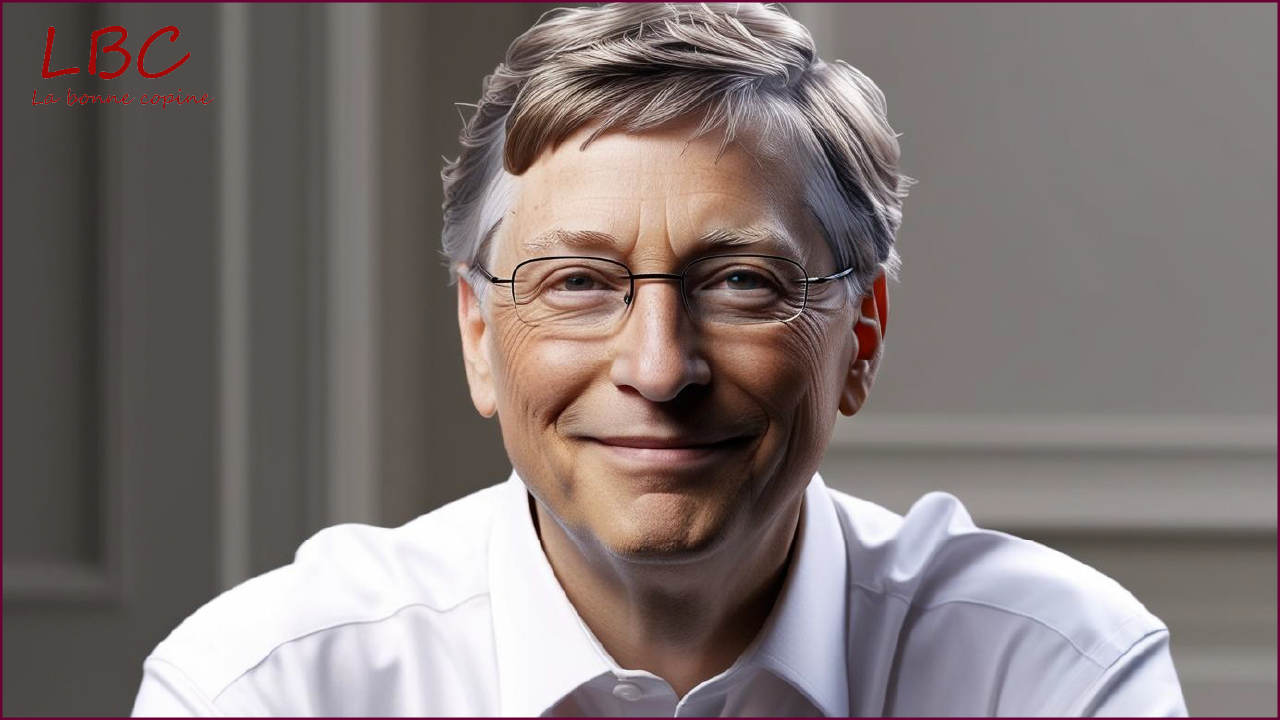
Bill Gates Calls for a Progressive Tax: Wisdom or Paradox?

Imagine a world where the richest pay their fair share, opening the door to a more balanced future. the impact of wealth on personal well‑being Bill Gates, the tech titan‑philanthropist, is championing a tax reform that could reshape wealth distribution and give everyone a shot at a fairer society.
Why a Billionaire Is Pushing for Higher Taxes
Bill Gates isn’t just a symbol of massive success; his $128 billion fortune fuels a global philanthropy machine and fuels his public stance on the tax system. In a climate of widening economic gaps, he argues that voluntary charity isn’t enough—structural change is essential.
A Clear, Unapologetic Stand
Unlike many of his ultra‑rich peers, Gates openly says he ought to pay “much more in taxes” to curb soaring inequality.
🔍 Notice how Gates admits he’s been “disproportionately rewarded” compared with the average citizen—a rare confession among billionaires.
He warns that today’s tax code concentrates wealth in the hands of a few, eroding social trust and weakening democratic institutions.
Spotlight on a Skewed System
Gates points out that the U.S. tax framework, and many Western models, favor investment income over earned wages. The result? Investors—often the ultra‑rich—pay a lower share of taxes than salaried workers.
He urges limits on the intergenerational transfer of colossal fortunes, insisting that extreme wealth should not pass untouched from one family to the next.
Concrete Proposals for a Fairer Tax Landscape
Progressive Taxation That Still Fuels Innovation
Gates envisions a system where the wealthy shoulder a much larger slice of both income and net worth. He estimates that trimming ultra‑rich fortunes by 62 % wouldn’t cripple entrepreneurship.
“I’d be tens of billions poorer under my ideal tax plan, and that’s exactly how it should be.” – Bill Gates
The goal is an equitable redistribution of wealth while preserving a climate that encourages new businesses and growth. The centerpiece? A more progressive capital‑gains tax that aligns investment returns with ordinary earnings.
The Crucial Role of Estate Taxes
Gates flags estate taxes as vital to preventing entrenched economic dynasties and boosting social mobility. He recalls his own father’s fight for a fairer tax code in Washington state.
He argues that robust inheritance taxes stop gargantuan fortunes from flowing unchecked across generations, fostering a merit‑based society.
Philanthropy Meets Tax Policy
While Gates signs the Giving Pledge, he stresses that private giving can’t replace public funding. A fair tax system guarantees sustainable financing for essential services.
His dual approach recognizes the limits of philanthropy and the need for strong collective institutions.
Critiques and Controversies Around Gates’ Vision
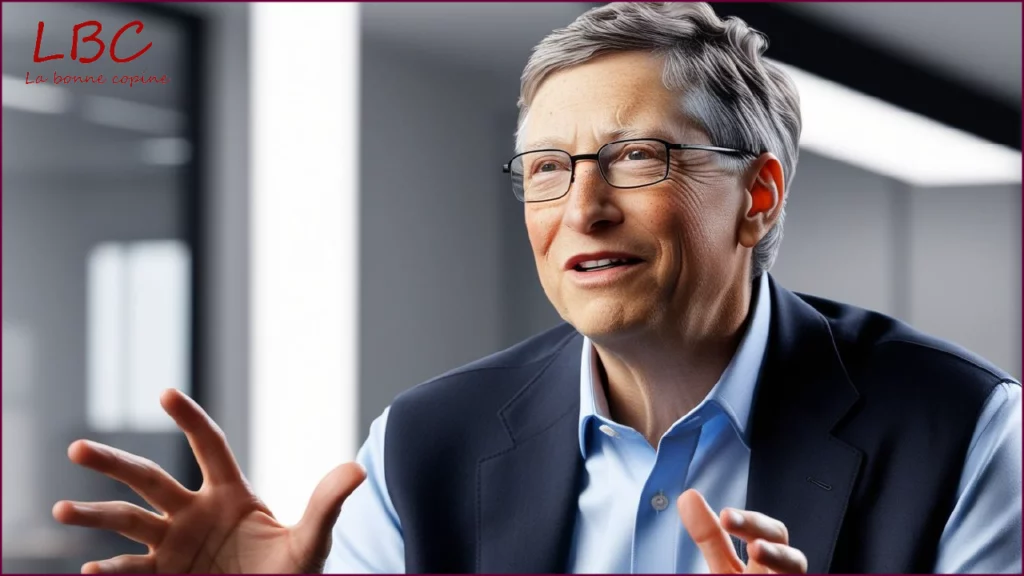
Balancing Tax Burdens and Innovation
Gates stresses that tax rates mustn’t stifle entrepreneurial spirit. Excessively high levies could choke the startup engine that fuels the economy.
🔍 Notice how Gates constantly tries to reconcile social justice with economic efficiency.
Read how extreme wealth affects relationships to understand the broader social impact of financial inequality.
Opposition From Across the Political Spectrum
Progressives like Bernie Sanders and Elizabeth Warren argue for an even steeper tax curve, demanding higher rates on billionaires.
In a Netflix interview, Sanders suggested making it impossible to amass billions, while Gates prefers a nuanced, balanced approach.
Critics also point out the paradox of a billionaire advocating reform while still holding immense wealth, questioning the consistency of his stance.
Shaping Public Debate
Regardless of the pushback, Gates has reignited conversation about fiscal fairness, prompting other moguls to weigh in on wealth redistribution.
By leveraging his fortune and platform, he demonstrates that economic triumph and a call for a fairer tax system can coexist.
What Can We Learn for a More Equitable Fiscal Future?

By championing a progressive tax, Gates challenges a system designed to protect the wealthiest. His proposals urge us to ponder: What level of inequality is tolerable in a democracy? How can personal success coexist with the common good? What responsibility do the ultra‑rich bear in building a fairer society?
The debate over innovation versus redistribution continues, and the question of wealth‑tax reform remains pivotal for the health of democratic nations.
Gates reminds us that fiscal justice is not merely a technical tweak—it’s a societal choice that reflects our collective values and vision for the common good.
Have you ever imagined how a truly progressive tax could reshape our world? What social transformations might follow? These are the conversations we need to have, together.