How to Guide Your Child Toward Progressive Independence

Independence marks a pivotal milestone in a child’s life. The shift can feel thrilling and nerve‑wracking—for both youngster and parent. How can you smooth the ride and keep it calm? Preparing for progressive independence means giving your child the tools to grow confident, develop autonomy, and shoulder responsibility. In this article we’ll unpack the key steps and share practical strategies to support your child’s journey toward child independence. Learn more about the balance between authority and autonomy.
What Does Progressive Independence Look Like?
Progressive independence is the gradual acquisition of skills and responsibilities that lets a child act on their own while still backed by an adult. Unlike simple autonomy—just doing things solo—independence involves making decisions, owning choices, and handling the fallout of those actions. It’s a process that thrives on kindness and patience.
Why Progressive Independence Matters
This transition helps a child build a strong sense of self and pick up social, emotional, and practical skills. When you nurture it, you boost self‑confidence, adaptability, initiative, and the ability to manage the unexpected. The more capable and supported a child feels, the sturdier their self‑esteem becomes, readying them for adult challenges.
Independence vs. Autonomy
Autonomy focuses on acting alone: doing tasks without help. Independence adds decision‑making, responsibility, and accountability. For example, a child who makes the bed is autonomous; the child who chooses to make the bed each day and takes charge of that habit is moving toward true independence.
Key Milestones on the Path to Child Independence
Early Years (0‑3 yrs): Laying the Foundations
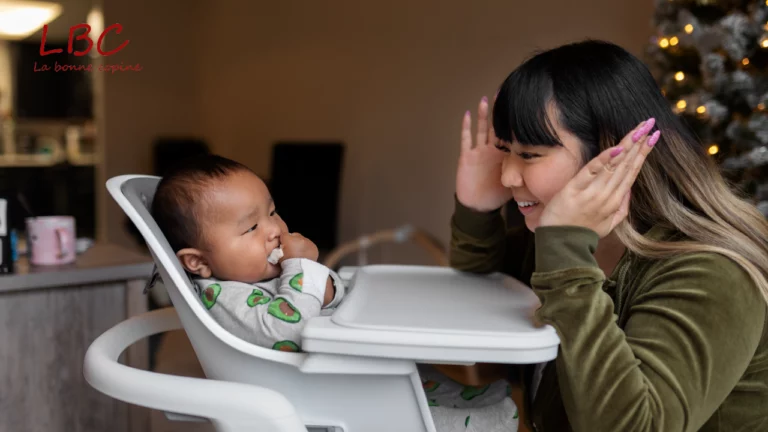
From the first months, babies start exploring. Imitation and curiosity drive learning. This is when hygiene routines, first steps, and simple choices (like picking a toy) appear. Even tiny “no” moments signal the earliest sparks of child independence. Incorporate simple daily habits for mental wellbeing to support healthy development.
Preschool (3‑6 yrs): Growing Daily Autonomy
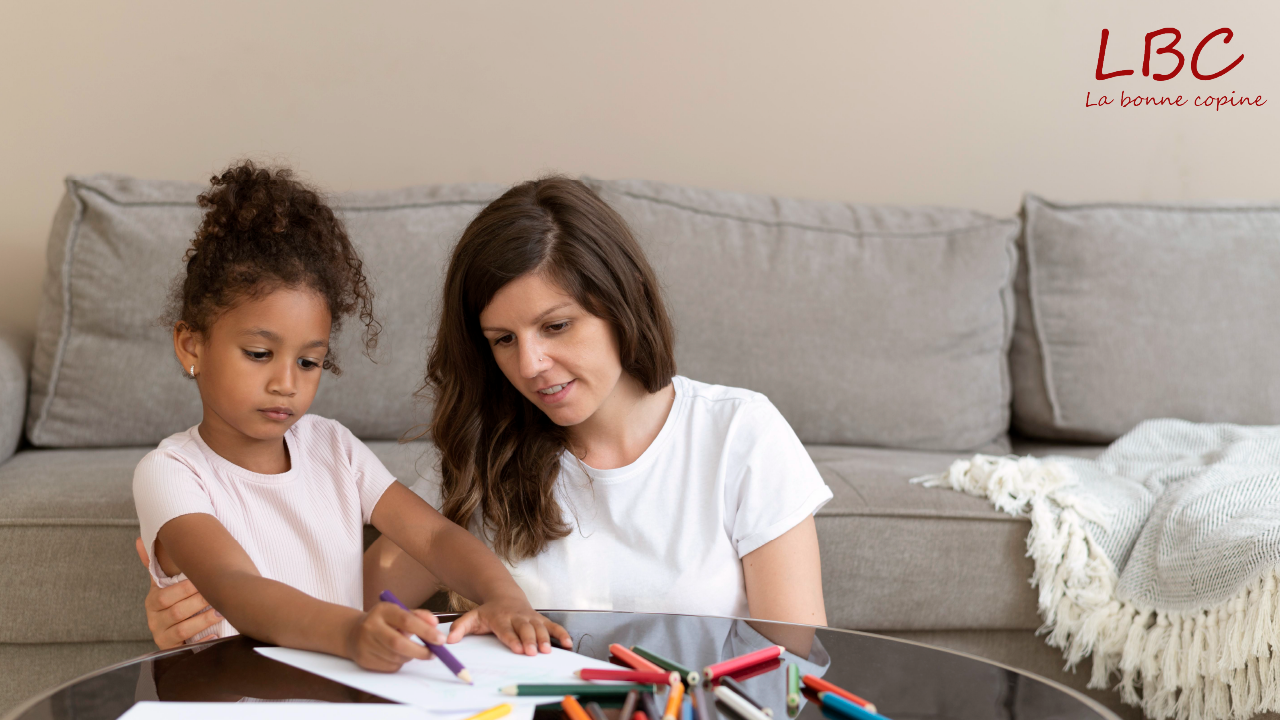
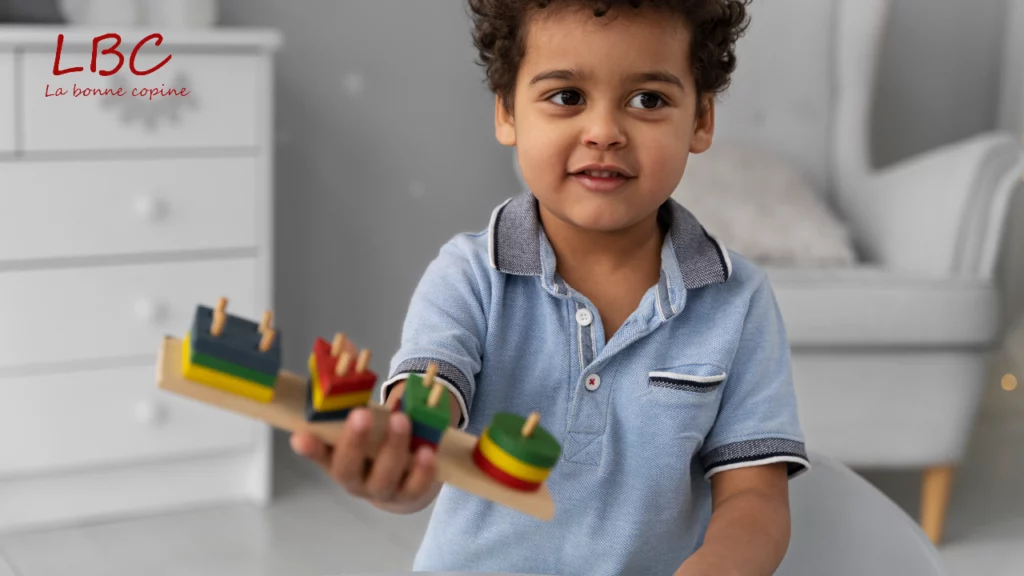
Kids begin handling basic tasks—dressing, tidying toys. Encouraging them to choose activities or voice preferences (meal or play) strengthens their sense of ownership. They also start meeting limits and learning self‑discipline and emotional regulation.
Middle Childhood (7‑11 yrs): Tackling Bigger Responsibilities
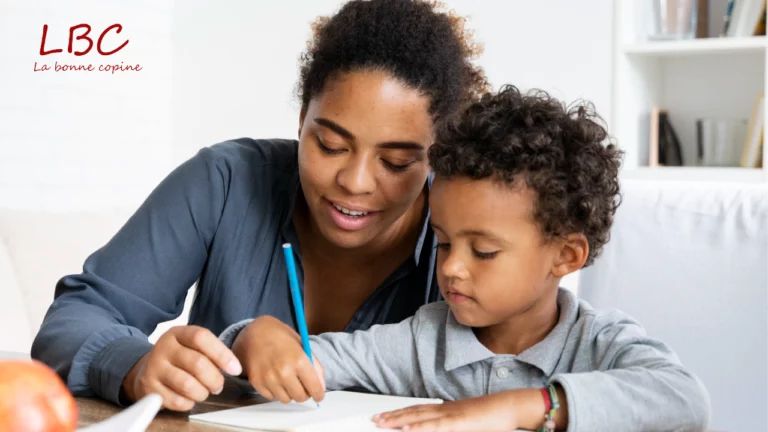
From age 7, children can manage school supplies, do simple chores (setting the table, vacuuming), and stay home alone briefly. They practice time management, make simple decisions (bedtime, homework order) and begin to organize their day.
Teen Years: Toward Full‑Blown Independence
Adolescents start budgeting, cooking meals, and planning social outings. They carry heavier responsibilities and must weigh the consequences of their choices. This stage also brings identity exploration, where personal decisions and independent thinking become paramount.
Strategies to Support the Transition to Child Independence
Offer Age‑Appropriate Choices
Present choices that match the child’s level and celebrate their initiatives. Experimentation—even with mistakes—teaches decision‑making and outcomes. For instance, let them pick between two snacks or activities, then watch them decide confidently.
Be Present, Not Overprotective
Parents should stay involved but avoid hovering. Allowing a child to stumble and learn to manage setbacks builds problem‑solving muscles and emotional resilience.
Assign Developmentally Appropriate Responsibilities
Gradual, age‑sensitive chores embed a sense of ownership. Start with small tasks—sorting laundry, feeding a pet—and progress to scheduling extracurriculars or managing a simple allowance.
Build a Trusting Atmosphere
Trust is the cornerstone of successful independence. Listen actively, validate feelings, and encourage your child to voice needs. Knowing they have your support lets them make choices safely.
Model, Then Step Back
Children learn by watching and imitating. Demonstrate everyday tasks—cooking, organizing, budgeting—then guide them through the steps before letting them try solo.
The Payoff of a Calm Transition
Moving toward independence at a comfortable pace equips youngsters with essential adult skills.
Boosted Self‑Confidence
When children take initiative and succeed independently, they gain confidence, a foundation for personal growth and social interaction.
Enhanced Social & Emotional Skills
Independence sharpens emotional regulation, empathy, and social competence. Making decisions, owning them, and handling surprises forge a balanced personality.
Readiness for Adult Life
Progressive independence prepares kids to navigate complex situations on their own—managing finances, solving problems, and making critical life choices.
Practical Tips for a Successful Journey
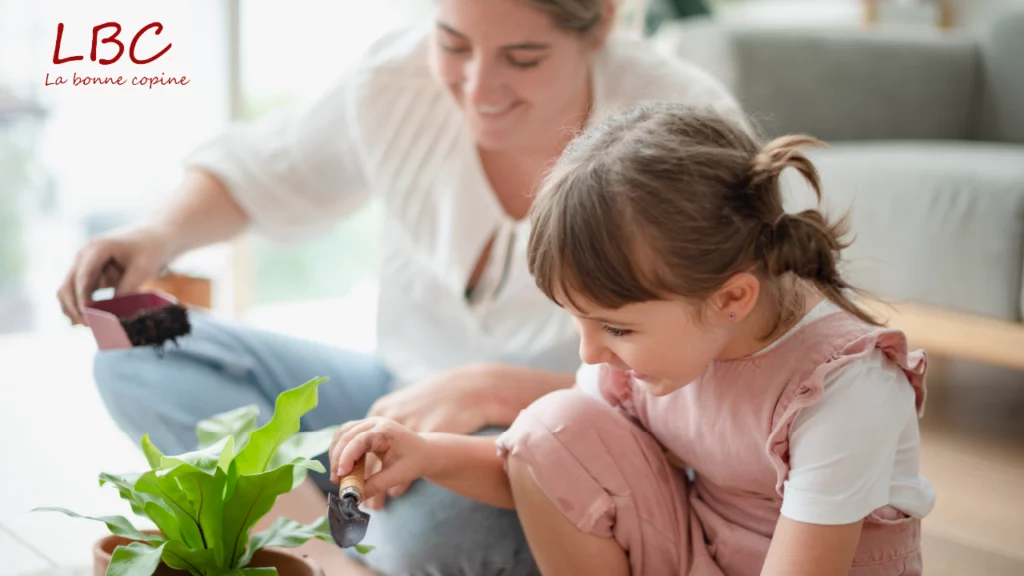
Tailor Support to Age and Pace
Every child moves at their own speed. Adjust your guidance to match their developmental stage and needs. Don’t expect a three‑year‑old to prepare a full dinner—match responsibilities to age.
Encourage Open Communication
Invite children to voice wants, needs, and feelings. Feeling heard builds respect and helps them process emotions, leading to wiser decisions. Strengthen this skill by learning to trust your inner compass in decision‑making.
Celebrate Effort Over Outcome
Highlight progress and perseverance, not just perfect results. Praising effort fuels motivation and keeps them engaged.
Create a Safe, Structured Environment
A clear framework—consistent rules, predictable routines—gives children the security to take on responsibilities without anxiety.
Conclusion
Preparing for progressive independence equips your child with the tools, confidence, and support they need to flourish. A thoughtfully guided transition lays the groundwork for a fulfilling, responsible adult life. By nurturing this stage with compassion, parents help their child spread their wings toward lasting child independence.