
Finding Harmony: How to Balance Your Personal Life and Your Relationship

In today’s fast‑paced world, keeping your own ambitions alive while nurturing a partnership can feel like walking a tightrope. Yet the secret to a thriving, lasting romance lies in mastering relationship balance—the sweet spot between togetherness and individuality.
What’s ahead: First, we’ll explore why balance matters, the pitfalls of losing it, and the rewards of a harmonious partnership. Then we’ll look at practical ways to protect your personal identity while enriching your love life, followed by the essential keys to a healthy relationship. Finally, we’ll share concrete tools to tackle everyday challenges.
Why Relationship Balance Matters
The Cost of Losing Balance
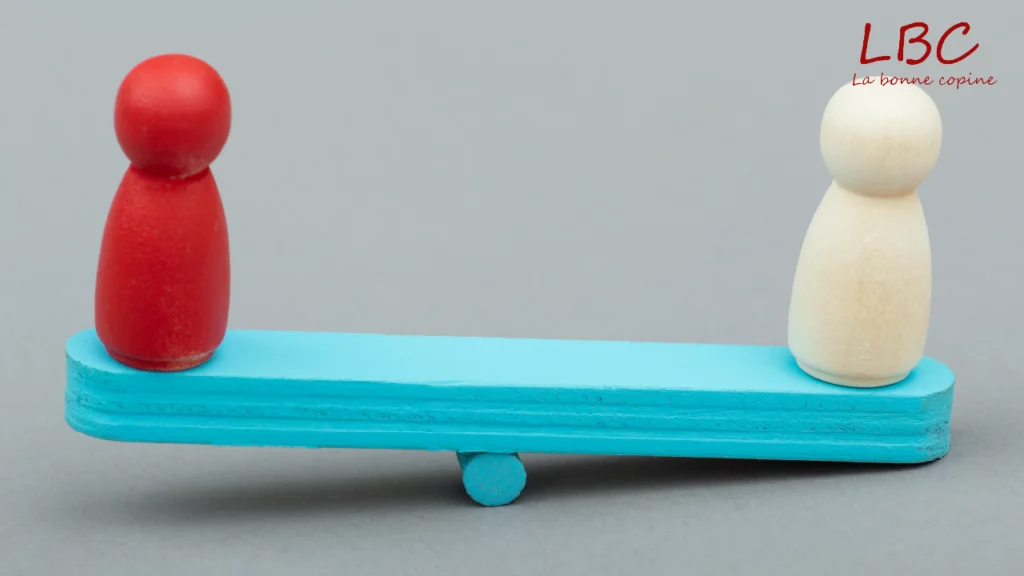
Being in a couple is fundamentally about sharing and compromise. When one partner disappears into the relationship, surrendering their own life, the scales tip. Over‑fusion breeds frustration, because each person becomes dependent on the other for happiness. The result? A loss of self, mounting tension, and a feeling of suffocation.
Conversely, too much emotional distance can crack the foundation. If each person lives on separate tracks with no shared moments or projects, the partnership drifts toward mere cohabitation. A lack of intimacy and complicity creates a widening gap that’s hard to bridge.
The Payoff of Harmony
Finding balance fuels personal growth while deepening the emotional bond. Harmony lets each partner renew and grow within the relationship, generating shared well‑being, fresh energy, and a sturdier, healthier connection. Time together becomes precious, with both partners feeling seen and supported.
Protecting Your Individuality
Carve Out “Me” Time
Never sacrifice your passions and personal needs for the sake of the couple. Taking time for yourself—whether with friends, hobbies, or solitary moments—recharges you and keeps you grounded. Personal rituals like a workout, a good book, or a creative pursuit strengthen your sense of personal accomplishment.
For instance, one partner might schedule an hour of reading each night or meet a friend for a regular coffee date. This recharges their energy and brings a calmer, more present self back to the partnership.
Know and Honor Your Own Needs
Understanding what makes you feel good is essential. It means recognizing your limits, desires, and emotional needs. By respecting your own space, you automatically respect your partner’s, fostering a more balanced, respectful dynamic. Practicing self‑compassion and listening to yourself equips you to share expectations with your partner honestly.
Enriching Your Couple Life

Create Quality Time Together
Shared experiences are the glue of a strong bond. Whether it’s a date night, a joint hobby, or a project for two, these moments deepen connection and complicity. Tackling a home‑renovation, planning a trip, or volunteering together cultivates a positive dynamic and reinforces mutual trust.
Communicate with Active Listening
Communication is the heartbeat of any healthy relationship. Learn to express your expectations and needs while respecting those of your partner. how active listening can transform your relationship—truly hearing the other without judgment or distraction—prevents misunderstandings. Regular conversations keep emotional ties strong and allow you to adjust expectations as life evolves.
Co‑manage Daily Life
Everyday tasks—housework, scheduling, finances—can spark tension if handled unevenly. Dividing chores fairly and discussing each person’s role builds trust and teamwork. These small acts of support help maintain a vibe of camaraderie throughout the week.
The Core Keys to Relationship Balance
Mutual Respect and Trust
Respect and trust are the cornerstones of lasting love. Always honor your partner, never judge, and value their actions and opinions. Trust is forged daily through concrete deeds and promises kept.
Compromise and Ongoing Adjustments
No relationship is perfect; compromise is inevitable. Accept that your partner may have different needs that evolve over time. This requires flexibility, patience, and regular readjustments as life stages shift.
Celebrate Shared and Solo Wins
Honoring both the small and big victories strengthens your bond. Whether it’s completing a joint project or achieving an individual goal, taking time to applaud each other boosts self‑esteem and nurtures gratitude within the couple.
Navigating Challenges and Adapting
Anticipate and Defuse Conflicts
Disagreements are inevitable, but knowing how to anticipate and defuse them protects your relationship balance. learn how nonviolent communication works, which expresses feelings without blame, is a powerful conflict‑resolution tool. Respecting each other’s boundaries and showing kindness during disputes prevents toxic fallout.
Adapt to Shifting Life Rhythms
Life’s tempo changes—new jobs, kids, unexpected events. Being able to adapt is essential. Good organization and flexibility help you ride these waves without unsettling the couple’s equilibrium.
Practical Solutions That Work
To boost balance, try a shared family calendar, set regular discover why relationship rituals matter, and create dedicated dialogue spaces for discussing worries and needs.
Wrapping It Up
Balancing personal life and partnership isn’t a fantasy; it’s an ongoing practice rooted in listening, respect, and compromise. Achieving relationship balance preserves your individuality while feeding the love you share.
Take Action: Pause now and assess your own balance. What short‑term personal goal will you set, and how will you nurture your couple life alongside it?
Reflect: “If your relationship were a team, how can you strengthen your role while supporting your partner?”